
news
Uproar about Tinubu’s Subu-sere – Festus Adedayo

Subú-seré?
Poetic licence gave me the indulgence of this headlining. Not even the English Language, in its pretentious globality, could capture Subú-seré. Like Shakespeare benignly prompted, I was in search of an appropriate word to capture my mind’s construct. Blank was however the wall. So I decided to stick to the word’s rendition in my native language. Subú-seré is a broad, idiomatic expression whose surface is barely scraped by words like “tumbling” or “falling”. Subú-seré cannot be captured by a single slip. It finds expression in repeated falls. It is deeper than its nearest English expression in connotation and texture. Subú-seré can, in one breath, be deployed to describe a state of chaos, mismanagement, or a “tumble”.
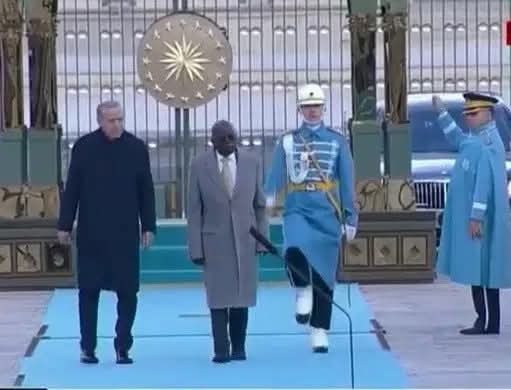
In the last few days, the Nigerian president’s fall in Ankara, the Turkiye capital, has engaged the Nigerian world. At a welcome ceremony by his Turkish counterpart, Recep Tayyip Erdogan, the president suddenly stumbled and fell. He had just walked past a line of dignitaries which included Turkiye soldiers when, as he moved to the right of Erdogan, the Subú-seré occurred. A viral video uploaded on the Turkish president’s X handle showed him helping up his colleague president. Erdogan also held firmly to his hand thereafter like you hold a kindergarten kid crossing the road. About 45 seconds after the fall, the Nigerian president is seen in the video standing next to Erdogan and beaming a wry smile. The day after, while President Tinubu was shown being seen off Turkiye by Erdogan on a national television, ostensibly on his way to Nigeria, Nigerians do not yet know where in the whole wide world their president is holed up.
Concerns immediately ripped through Nigeria. The presidency however downplayed them all, maintaining that Tinubu was “in great shape”. Sunday Dare, his aide, said not only was the president in good health and unhurt from the slip, he immediately continued with a scheduled bilateral meeting in Turkiye. Presidential spokesman, Bayo Onanuga, took the explainer a notch higher. Tinubu had tripped as he stepped on a metal object “on the floor, which made him lose his balance,” he said. Onanuga then went into his usual argumentative fallacy of argumentum ad hominem. This fallacy is distinguished by enemy-repelling and blame-trading. It is an everyone-but-self narrative. While at this, the presidential aide took his time to school Nigerians on the difference between a fall and a stumble. “This is not a big deal, except for those who want to make mischief out of a fleeting incident. It was a mere stumble, thank God, not a fall” he said. As the Yoruba would say, even if we do not know anything else, we know that three people cannot stand in twos.
On June 12, 2024, during the Democracy Day celebration, President Tinubu had earlier fallen in public. It was at the Eagle Square. The president fell; pardon me, a la Onanuga, he stumbled, as he was about to board a parade vehicle. But Tinubu himself made a light joke of it. “Early this morning, I had a swagger and it’s on the social media. They’re confused whether I was doing bùgá or doing bàbáńrìgá (two popular dance steps),” he said. “But it’s a day to celebrate democracy while doing dobale (salute to elders) for the day. I’m a traditional Yoruba boy, I did my dòbálé.”
The president probably dobale-ed to Erdogan, too in Ankara last week, being a good Yoruba boy? But, not to worry, he is in a great shape, said his handlers. But, shouldn’t we be worried? As Onanuga said, it should ordinarily be no big deal that a mortal man falls, either literally, metaphorically or figuratively. Drilling deep into the figurative of falling, King Sunny Ade, Yoruba Juju music great, in a 1970s LP, pilloried his mockers who were deriding his fall. “Òtá mí má yó mí, b’é mi bá subú” he fired, submitting that “if I fall, I will heave myself up” – “b’émi bá subú, èmi á dìde è”.
Falling and rising are part of the existential slopes of humanity. Whether as a literal fall or as metaphor, it is doubtable whether a man can waddle through the sloppy contours of life without experiencing life’s fluctuations. They are embedded into the whole concept of living, so much that life would not be life if man doesn’t rise and fall. It was probably a realization that life is fraught with falling and rising that Francois-Marie Arouet, famously known by his pen name, Voltaire, one of the best Enlightenment philosophers, satirist and historian, said of life that it is “thickly sown with thorns, and I know no other remedy than to pass quickly through them”.
Voltaire himself lived a life of sicknesses and diseases. He is often quoted as saying “my life is a struggle” and frequently wrote about the miseries of existence. Born with a weak bodily constitution, Voltaire suffered afflictions of chronic health issues, one of which was the Crohn’s disease, distinguished by its frequently leaving him bedridden. He also had chronic dyspepsia, frequent attacks of colic, and a temporary blindness that afflicted him whenever it snowed. Scurvy, gout, bronchitis, and even apoplexy were also some of his life-long ailments. This life of illnesses probably got him cynical about medicine, leading to his famous quip that doctors “put drugs of which they know little into bodies of which they know less for diseases of which they know nothing at all”.
So also was Blaise Pascal. Voltaire’s French compatriot, Pascal was a mathematician, physicist, philosopher and a Catholic writer. He, too suffered from lifelong, debilitating health conditions which included celiac disease, severe migraines with visual auras, peripheral neuropathy, epilepsy, and possibly craniosynostosis (skull deformity) and autism. These manifested as chronic pains, stomach issues, and mental disorientation. These life health struggles deeply influenced his philosophy, leading to his early death on August 19, 1662, at age 39. His final days were recorded to have involved extreme abdominal pain, weight loss, and epileptic seizures. This life of chronic suffering was central to his work, influencing his famous view of sickness as the “natural state of Christians”.
There were and are many more great people whose lives were buffeted by ailments. Yet, sicknesses and diseases did/do not define them. The Lord Jesus Christ counsels that in this world, there would be tribulations. These include sicknesses, diseases and even death. Jamaican reggae group, Mighty Diamonds, a harmony trio which recorded roots reggae with a strong Rastafarian influence, said this much. In their famous track, Have Mercy, they sang that “Man was made to suffer, yeah/And women were made to feel the pain” but prayed to “Jah” to “have mercy” on him/her.
On 4 April, 2021 and 20 October, 2024, I wrote two pieces which centered on presidential ill health. While the earlier one was entitled, “The President is a sick man: Buhari’s Secret Therapy Inside the ‘Oneida,’” the second was, “The president is a sick man.” The first was a lamentation of President Muhammadu Buhari’s knee-jerk and off-the-cuff jetting out of Aso Rock Villa like a wandering evil spirit. The second lamented that in President Tinubu, Nigerians were “back to presidential night-time recourse to UK hospices and presidency’s spins to shroud the truth.”
Permit me to regurgitate chunks of the essential elements of those offerings.
In those pieces, I took my headlining from Matthew Algeo’s book with the title, The President Is A Sick Man. Algeo, Philadelphia-born, award-winning American journalist, did a chronology of the medical travails of Grover Cleveland, the 22nd and 24th president of the United States of America, presiding over America from 1885 to 1889 and 1893 to 1897. The book shows how inexorably linked the health of a president and the health of the nation are.
Famously renowned for always speaking the truth, Cleveland was regarded as a very virtuous man, so much that his most memorable quotation, ramped up into a cliché was, “Tell the Truth.” America was to later find out that, wrapped inside that Cleveland shawl of “telling the truth” was the most untruthful cover-up in American history, an untruth far more scandalous than Watergate. Silently battling mouth cancer, on July 1, the summer of 1893, the president suddenly disappeared from the radar. He couldn’t be found anywhere in the vicinity of the White House. America was to learn about a century thereafter that Cleveland had been lost inside the Oneida, his friend, Commodore Elias Benedict’s yacht. For five good days, he was declared missing. William Keen, America’s most famous and celebrated surgeon of the time and a team of other surgeons, performed the surgery to remove the cancerous tumor that had grown dangerously and embarrassingly on the president’s upper jaw and palate. The facts of his whereabouts were successfully kept from the American people.
In those pieces, I said that shrouding the health status of African leaders from their constituents, as well as their sudden disappearance stunts, have a long history. In October 2016, President Peter Mutharika of Malawi disappeared off the radar, by which time he was 76 years old. Mutharika had attended the United Nations General Assembly mid-September and didn’t come back until 16 October. This provoked speculations in Malawi that he had died, with his cagey aides failing to divulge his whereabouts. There were later disclosures through the grapevine that he had vamoosed into the bowel of Europe to attend to his health. The same was the story of Gabonese President, Ali Bongo, son of Omar Bongo. At a time in November 2018, Ali was said to have been “seriously ill,” with speculations rife that he had died after suffering from a stroke. He was just 59 years old then. Findings, however, later revealed that he had not died but that was holed up in a Saudi Arabia hospice.
Oil-rich Angola’s Jose Eduardo Dos Santos, who ruled the country from 1979, also eloped to Spain. He had sought medical remedy for an undisclosed ailment in May, 2017. It was after about three weeks of his noticeable absence from the public that his foreign minister, succumbing to pressure from the opposition, confirmed his unceremonious absence. Again, until his death at age 95, Zimbabwe’s Robert Mugabe was always dashing in and out of Singaporean hospitals.
Benin Republic’s Patrice Talon is perhaps one of the rarest breeds of the African leadership caste. Talon unusually and uncharacteristically made public disclosure of what ailed him. After the 59-year old president, who took over from Thomas Yayi-Boni, disappeared from the radar for about three weeks, his minders, on 19 June, 2017, released the information that he had undergone two successful surgical operations in Paris. He said doctors had found a lesion in his prostate. This further necessitated another surgery in his digestive system.
In 2006, (I guess), at the Enugu State Governor’s Lodge, I saw then Katsina State governor and PDP presidential candidate, Umaru Yar’Adua, for the very first and last time. He had come to pay a thank-you visit to Governor Chimaroke Nnamani, after being picked as the man to fly the PDP banner in the 2007 election. He was frail and looked very sickly. I noticed a round patch of flesh on his left wrist, indicating flesh engraftment. As the meeting progressed, he took a mouthful of his drugs. In 2011, I also chanced on then ex-governor Tinubu taking his drugs. In my existential naivety, I was inwardly aghast that anyone would swallow such a mouthful. Today, I swallow almost same ounce of drugs as these men. Like all mortals, I have been served my own breakfast by life and fate. It reminds me of a line from Ilorin Dadakuada music bard, Odolaye Aremu. He chanted that, only God knows how many more people would be drenched by a ceaseless rain (Òjò tí ńrò tí ò dá, Olórun l’ó mo iye eni tí yíó pa).
Hiding the health status of our leaders is a carry-over of traditional Africa where the king was portrayed as Fredrich Nietzsche’s Superman. Indeed, the mentality behind pulling shrouds on African leaders’ health is a continuation of the empires and monarchies of Africa. There, kings were infallible, super-human and incapable of falling prey to the afflictions of plebeians and common people. African leaders of today see themselves in the same mould of kings and emperors. They must not be heard to have failing health, nor their health statuses made public. In what other way can it be said to them that, no matter one’s status in life, no mortal is immune to health failings and death? This trend that I call the Kabiyesi mentality, has bred a pandemic of leaders of Africa who, almost like 19th century Cleveland, “abdicate their thrones” covertly to seek remedies abroad, without the knowledge of their people. Those who argue strongly in defence of Nigerian sovereignty should well know that that same sovereignty is seriously threatened by the Nigerian president being a captive patient in a foreign hospital.
The truth is, presidents are as mortal as the beggar on the street. Any attempt to wear on them a contrary visor is akin to immortalizing their crass mortality. Presidents’ pooo-poo smells like every other mortal’s and they are capable of taking ill and dying like the mad man on the street. It is bad enough that citizens don’t know the whereabouts of their president. It is even worse that a president, like the biblical Saul who crept out of the palace at nocturne to consult the Witch of Endor, surreptitiously gropes in the dark to hospices of the world. Are presidential handlers aware that the office of the president is a public trust which gives citizens the right to know where their president is?
What I counsel was preached over four and half decades ago by evergreen Yoruba Apala music lord, Ayinla Omowura. Disenchanted by the then reigning fad of women bleaching, Omowura espoused what I call the parable of the filthy. While asking young ladies to maintain the dignity of their African skin and values, he sang that once the filthy acknowledges their resenting personality, the world would cover them with sweet-smelling cloth. “Jéwó òbùn k’án dá’so ró e” he sang.
So, let the presidency, like Omowura’s filthy woman, come clean with us on what ails our president. While it is inhuman for any mortal to disparage another mortal on account of their health, the president’s health status must be on the palm of Nigerians. In May last year, President Donald Trump underwent a complete health check. Caroline Leavette, the White House Press Secretary, had given Americans Trump’s Annual Physical Examination Results. He had been examined at the Walter Reed National Military Center. The results include diagnostic and laboratory testing and consultation with fourteen consultants. They showed that he had a 62 beats per minute Resting Heart Rate; 128/74mmHg Blood Pressure, among others. Though he is old, Americans know their president is medically up to the task. The National Assembly must pass a law that makes it compulsory for our presidents to undergo same checks in a Nigerian hospital.
While it is public knowledge that president Tinubu is battling a knee issue and has even undergone a knee cap replacement, details of it should not be kept away from the people. If need be, the president can be made to operate from the wheelchair. There is no crime in it. Nigerians did not vote to have a macho or an athlete as president. If he has other predisposing ailments that he is battling, it will be in sync with the life of every other mortal. We will pray for him as we do not want him dead. To have presidential aides build a wall of immortality round him or make a Superman of the president is childish and distressing.
Whatever it is, we wish our president a speedy recovery.

news
Ahmed Raji(SAN) Accomplish Another Landmark Feat, Launch New School Block, Handover Ultra-Modern CBT Center To JAMB.

Renowned legal icon, philanthropist and Senior Advocate of Nigeria (SAN), Alhaji Ahmed Adeniyi Raji, has once again reaffirmed his unwavering commitment to educational advancement as he is getting ready to launch a newly constructed school building and hand-over a modern Computer Based Test (CBT) Centre to Joint Admissions and Matriculation Board (JAMB) in Iseyin, Oyo State.
This historic event, scheduled to hold on Wednesday, February 11, 2026, is expected to attract top educationists, including the Registrar of JAMB, Professor Isiaq Oloyede, who will officially receive the CBT centre on behalf of the examination body.
According to statement issued and signed by Hon. Saheed Adejare Yusuf Alaran, brother, development partner to the legal luminary and made available to media, said this intervention initiative is part of Alhaji Raji’s long-standing vision to make quality education affordable, accessible and all-inclusive, irrespective of students’ socio-economic background.
Hon. Adejare Yusuf Alaran disclosed that the legal icon has taken full responsibility for the construction of a modern school complex comprising classrooms, administrative offices and fully equipped laboratories for the Senior Secondary arm of Raji Okeesa Memorial Comprehensive High School. The new facilities are designed to enhance teaching, learning and overall academic excellence.
In addition, Alhaji Raji has also built a well-equipped JAMB CBT Centre with a seating capacity of 250 candidates, fitted to meet global examination standards. The centre is expected to significantly ease the burden on students who previously travelled long distances to sit for UTME examinations.
Hon. Adejare Yusuf Alaran further noted that the official unveiling and handover will ensure the CBT centre is efficiently managed by JAMB for optimal use. He stressed that the initiative would save thousands of youths from avoidable stress while promoting fairness and efficiency in examination processes.
With this latest gesture, Alhaji Raji has once again etched his name in gold as a steadfast champion of education and youth empowerment in Oyo State and beyond.
Oyo State Government has reaffirmed its preparedness for the official commencement of the Computer-Based Test (CBT) mode of the West African Examinations Council (WAEC) examinations.
This is in line with the Federal Government’s directive for a gradual transition from pen-and-paper to full digital testing.
The Commissioner for Education, Science and Technology, Hon. Olusegun Olayiwola, disclosed this while receiving the Zonal Coordinator and Deputy Registrar of West African Examination Council(WAEC), Mr. Waheed Amode, and his management team during a courtesy visit to his office on Wednesday, February 4, 2026.
Olayiwola revealed that Oyo State Governor, Engr. Seyi Makinde has directed that the cost implications for the procurement of over 60,000 laptops for public senior secondary schools across the state be worked out, noting that the move is aimed at positioning Oyo State ahead of the full adoption of CBT examinations.
He commended WAEC for the proactive measures taken to address the challenges experienced during the 2025 examinations, while pledging the Ministry’s continued support in curbing examination malpractice and preventing vandalisation of school facilities.
In his remarks, Amode said the visit was to appreciate the Oyo State Ministry of Education for its support during the 2025 WAEC examinations and for its consistent collaboration with the Council over the years, describing the Ministry as a key stakeholder in the success of WAEC operations.
He disclosed that registration for the 2026 May/June WAEC examination closed on 2nd February, 2026, adding that the forthcoming examinations would be conducted using both CBT and pen-and-paper modes depending on the readiness of individual schools, while schools interested in full CBT participation are expected to formally indicate their interest through official correspondence.
Amode also warned that severe penalties await any candidate caught with mobile phones in the examination hall.
He stressed that such misconduct could lead to the cancellation of an entire school’s results, depending on the circumstances, and urged principals and teachers to uphold integrity in order to strengthen educational standards.
Meanwhile, Honourable Olusegun Olayiwola has called on parents, guardians and teachers to strengthen collaboration in order to address moral decline in schools, noting that effective partnership between the home and the school is essential for raising disciplined, responsible and value-driven students.
The Commissioner made the call while receiving members of the National Education Reform Movement (NERM), urging stakeholders to prioritise discipline and quality teaching, while NERM leader, Mr. Adewumi Abass, warned that weak parent–teacher synergy and rising examination malpractice pose serious threats to Nigeria’s education system and recommended the use of the resource book, “Parenting for Excellence,” as a guide for improvement.
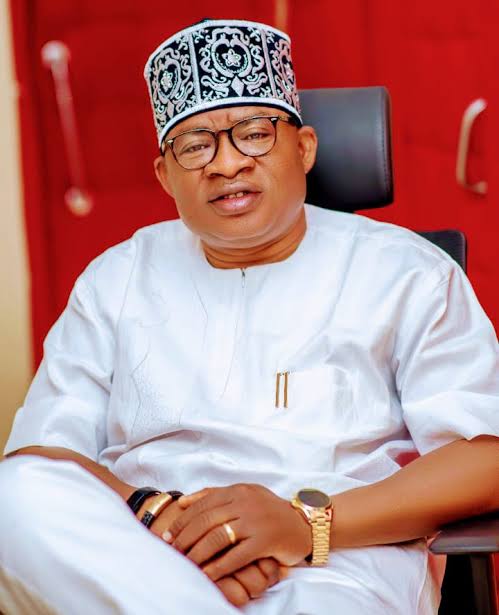
The Nigeria Union of Journalists (NUJ), Oyo State Council, has congratulated a distinguished Patron and renowned mediapreneur, Olooye Adeboyega Taofeek Adegoke, on the occasion of his birthday, describing him as a pillar of support for journalists and media development in the state.
In a congratulatory statement jointly signed by the Chairman, Mr. Akeem Abas, and Secretary, Dayo Adu, the Council extolled Oloye Adegoke’s outstanding commitment to the growth of the Union and the welfare of its members.
The council noted that as a responsible and dependable Patron, Oloye Adegoke has consistently demonstrated deep passion for the progress of journalism, maintaining a cordial and mutually beneficial relationship with the NUJ Oyo State Council.
It added that his unreserved benevolence to the Union and to journalists who cross his path, stressing that his interventions and support have positively impacted many practitioners within the media space.
According to the Council, the celebrant has remained a strong pillar behind several NUJ programmes and activities, offering support that has contributed immensely to the successful execution of professional and welfare-driven initiatives.
The Union particularly commended his rare gesture of giving without demanding anything in return, describing his selflessness as a virtue worthy of emulation within and outside the media industry.
Oyo NUJ added that Oloye Adegoke’s contributions as a mediapreneur have also helped in advancing media enterprise, capacity building, and opportunities for journalists across the state.
The Council wished him a happy birthday and prayed for continued good health, greater accomplishments, and more impactful years in service to humanity and the journalism profession.
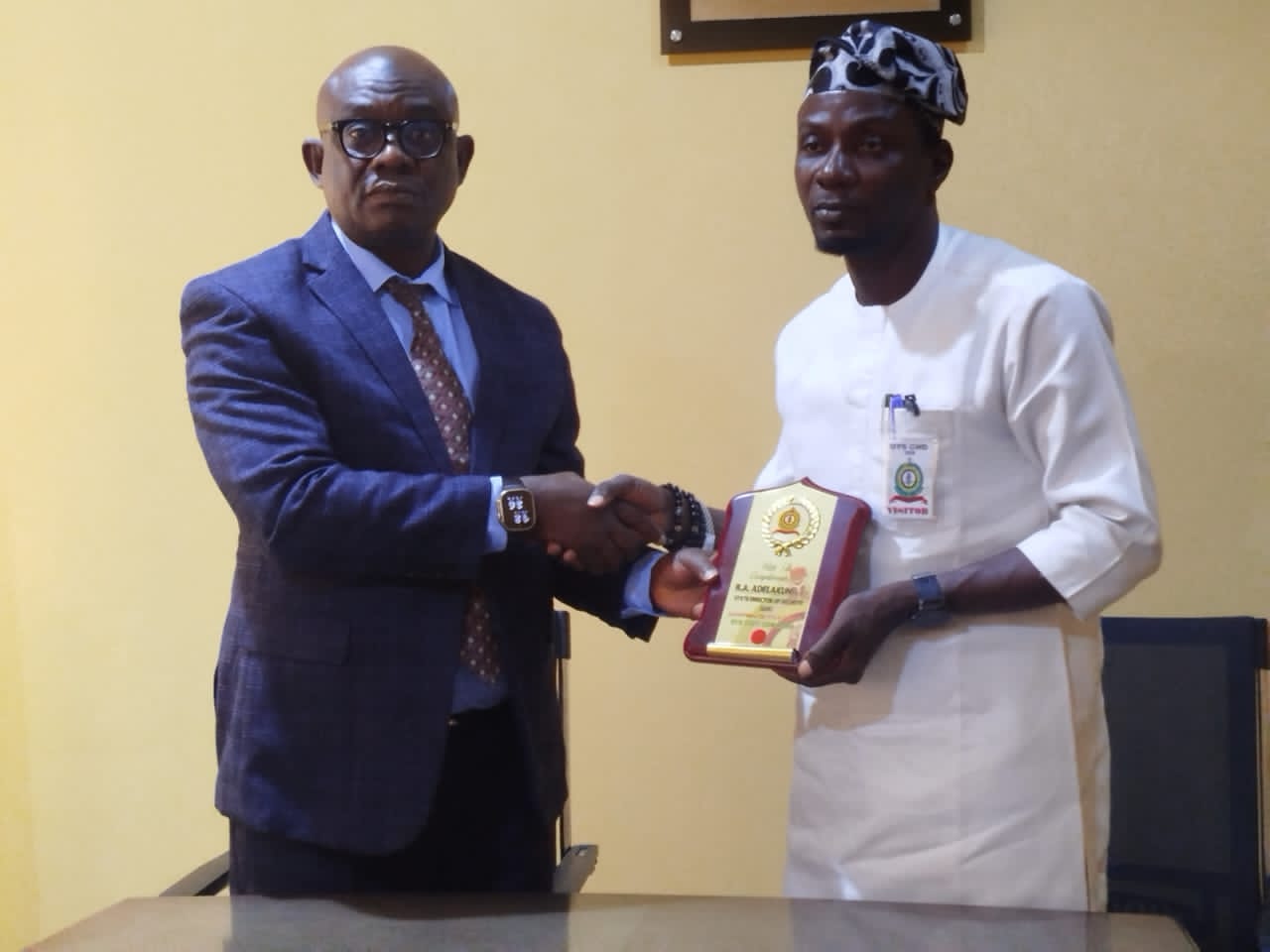
The Department of State Services (DSS) in Oyo State has reiterated its commitment to working closely with the Nigeria Union of Journalists (NUJ) to address security challenges and curb the activities of fifth columnists.
The State Director of DSS , Mr. Rasheed Adelakun, made this known when the executives of the NUJ, Oyo State Council, led by its Chairman, Mr. Akeem Abas, paid a courtesy visit to the state headquarters of the service in Ibadan.
Adelakun described the media as a critical partner in national security, stressing that effective information management and responsible reportage were essential tools to sustaining peace and stability.
He expressed concern over the increasing activities of fifth columnists, warning that their actions pose grave dangers to national security and peaceful coexistence.
According to him, the spread of misinformation and unverified reports could be exploited by such elements to undermine public confidence and social cohesion.
Adelakun, therefore, urged journalists to uphold professionalism and ethical standards in the discharge of their duties in the interest of national development.
Earlier in his remarks, the Oyo NUJ Chairman, Mr. Akeem Abas, assured the DSS of the union’s readiness to sustain collaboration with security agencies to promote peace, security and unity in Oyo State and across the country.
Abas added that NUJ would continue to sensitise its members on the importance of responsible journalism, fact-checking and adherence to ethical standards, noting that accurate and timely information remains a vital tool in supporting security agencies and strengthening national cohesion.
news
One Death Too Many: Government Must Be Held Accountable ““The opposite of love is not hate, it is indifference.”- Elie Wiesel – By Lanre Ogundipe
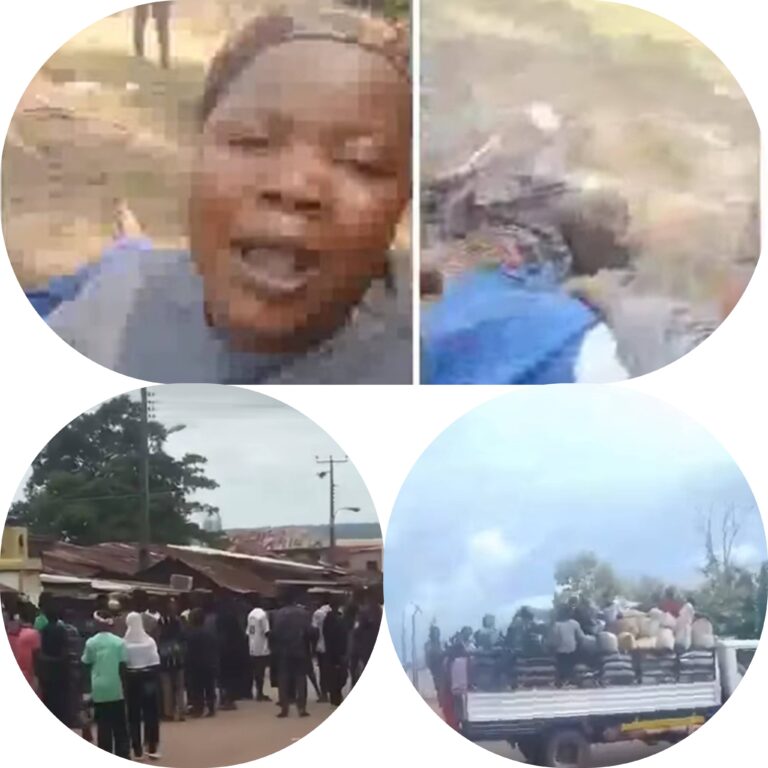
There are moments in the life of a nation when condolences become an insult. The massacre in the Woro and Nuku communities of Kaiama Local Government, Kwara State is one such moment.
Over one hundred and sixty Nigerians men, women and children were rounded up, bound, and executed in cold blood.
Not in a war zone. Not in a declared battlefield. But in their homes, on their farms, in the ordinary spaces of daily life where citizens are supposed to be protected by the state.
In response, government spoke. It always speaks. Condolences were offered. Troops were deployed after the fact. Statements were issued. And then silence followed, the familiar Nigerian silence that descends after tragedy, as though the mere passage of time could substitute for justice.
But when citizens are slaughtered in one coordinated attack and the primary response is sympathy, the issue is no longer insecurity alone. It is governance failure.
When warnings are ignored, graves multiply.
Several years ago, a former Chief of Army Staff and Minister of Defence publicly expressed loss of confidence in the ability of Nigeria’s security architecture to protect its citizens. He warned that communities were becoming sitting targets and suggested that citizens might have to defend themselves. At the time, the statement was controversial. Some dismissed it as reckless; others saw it as frustration.
Today, after repeated mass killings across the North-Central, the North-West, parts of the Middle Belt, and now creeping steadily into the South-West, that warning no longer sounds extreme. It sounds like an unaddressed alarm.
When a figure who once sat at the heart of the military establishment openly questions the system’s effectiveness, responsible governance demands inquiry and reform. Instead, the system closed ranks. The result is visible in mass graves.
Missing weapons, unanswered questions
Nigeria’s insecurity is sustained not only by ideology but by logistics. Armed groups operate with weapons, ammunition, intelligence and mobility. This raises a fundamental question that has never been satisfactorily answered: how do non-state actors consistently acquire arms in such quantities in a country with supposedly regulated armouries?
Over the years, there have been persistent allegations of missing or diverted weapons from police and military stockpiles. Senate inquiries have been announced. Committees have been formed. Investigations have been promised. Yet the outcomes remain largely invisible to the public.
Weapons do not simply disappear in a functioning state. When they do, and no one is held accountable, it creates an environment where criminal networks thrive. Citizens are entitled to know whether arms procured with public funds to defend them have been mismanaged, diverted, or abandoned to corruption.
Until there is a transparent forensic audit of arms procurement, storage and deployment, every massacre will raise the same disturbing suspicion: that state failure is not accidental.
Security agencies under scrutiny.
It must be stated clearly: many officers have paid with their lives trying to protect communities. Their sacrifice deserves respect. But institutions are judged by outcomes, not intentions.
Nigeria’s security agencies have long struggled with poor intelligence coordination, slow response times, weak oversight, and public trust deficits.
Allegations of corruption, abuse of power and selective enforcement are not new.
They are part of a documented pattern that has eroded confidence between citizens and those tasked with protecting them.
When attacks occur despite repeated warnings, when perpetrators operate for hours without resistance, and when accountability rarely follows, citizens are justified in asking whether the problem is merely incompetence or something deeper.
Asking such questions is not an attack on the uniform. It is a demand for institutional accountability.
Violence reaches the South-West.
For years, the South-West assumed a measure of insulation from the scale of violence seen elsewhere.
That assumption is now dangerously outdated. Criminal networks and extremist violence have found entry points into parts of Osun State through Ora-Igbomina and surrounding communities.
Farmers are afraid to work their land. Families fear nightfall. The early warning signs are unmistakable.
Yet political leadership appears distracted by ceremonies, anniversaries and public celebrations. At a time when security coordination should dominate governance priorities, optics and pageantry seem to take precedence.
Leadership is not measured by appearances in moments of comfort, but by decisiveness in moments of crisis.
Unequal seriousness across regions
Across Nigeria, a contrast is emerging. Some states, particularly in parts of the East and South-South, are investing in intelligence gathering, technological support, community surveillance and structured engagement with security professionals. These efforts are not perfect, but they demonstrate seriousness.
The question is unavoidable: what are other states prioritising? What value does infrastructure, celebration or political theatre hold when citizens are unsafe? Development without security is an illusion.
Security is not one policy item among many. It is the foundation upon which every other policy rests.
Beyond religion and ethnicity.
This tragedy must not be misrepresented as religious or ethnic conflict. Terror does not discriminate by faith. Bullets do not recognise identity. Christian or Muslim, Yoruba or Hausa or Igbo — the dead are united by vulnerability, not belief.
Reducing these massacres to sectarian narratives only benefits those who profit from chaos. The real divide is between citizens protected by power and citizens exposed to violence.
A government that cannot protect its people, regardless of who they are or what they believe, has failed its most basic obligation.
The dangerous appeal of self-help
In the face of repeated state failure, some citizens ask whether they must protect themselves. This is not rebellion; it is despair. But history shows that widespread vigilantism leads not to safety, but to cycles of revenge and instability.
The alternative is not lawlessness. It is accountability.
Citizens must demand:
Transparent investigations into security failures before and during major attacks.
A full forensic audit of missing or diverted weapons.
Clear responsibility for governors, commissioners and security chiefs where negligence is established.
Lawful, supervised community protection mechanisms under strict oversight.
Anything less is performance, not governance.
A quiet erosion of freedom.
There is an uncomfortable question many Nigerians now ask privately: are citizens valued only as statistics — to be governed, taxed, and mourned, but not protected?
When deaths are normalised and accountability is endlessly postponed, freedom becomes symbolic rather than real. Democracy cannot survive where life is cheap and power is insulated from consequence.
One death is too many
Let us return to the central truth. One death is too many. One hundred and sixty is a national indictment.
This massacre must not be absorbed into Nigeria’s long list of forgotten tragedies.
Condolences cannot replace justice. Silence cannot replace accountability.
History will ask what was done when citizens were slaughtered. Words alone will not be an acceptable answer.
Lanre Ogundipe , A Public Affairs Analyst, Former President Nigeria and Africa Union of Journalists writes from Abuja, Federal Capital City.
February 6, 2026.
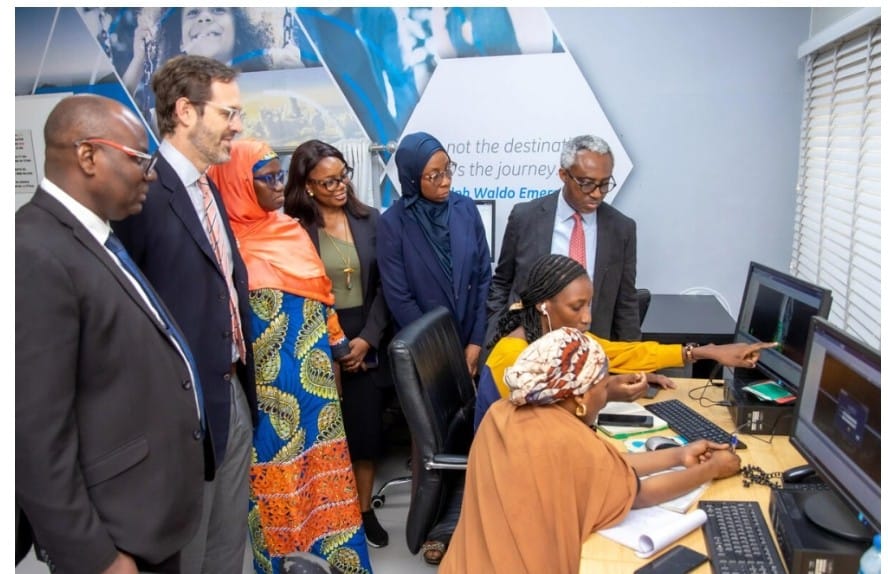
*A landmark clinical trial is underway in Nigeria, thanks to the collaborative efforts of Obafemi Awolowo University, Lagos University Teaching Hospital, Medserve and Memorial Sloan Kettering Cancer Centre. The trial investigates PD-1 blockade immunotherapy in patients with mismatch-repair-deficient colorectal cancer. The trial was approved by the National Health Research Ethics Committee (NHREC)—the organization responsible for ensuring that all health research conducted in Nigeria is ethical and globally compliant—and by the National Agency for Food and Drug Administration and Control (NAFDAC), the organisation that regulates and controls the manufacture, importation, exportation, distribution, advertisement, sale, and use of food, drugs, cosmetics, medical devices, packaged water, chemicals and detergents in Nigeria.*
This is a moment of great pride for the University of Ibadan (UI) College of Medicine! Three distinguished UI College of Medicine alumni: Dr Lilian Ekpo, Dr Zainab Yunusa-Kaltungo and Dr Tolu Adewole are instrumental in this initiative. They are part of a groundbreaking clinical trial that’s set to revolutionise colorectal cancer treatment in Nigeria. Their expertise underscores the institution’s commitment to advancing cancer research and treatment.
Dr Abraham Ariyo, a UI College of Medicine alumnus and cardiologist based in the US, shared this exciting news with me. We’d connected online about 4 months ago, bonding over our shared interest in UI and the College of Medicine. As he said, “I have read your pieces about Ibadanland and the University of Ibadan, especially about Profs. Ronke Baiyeroju and Olayinka Omigbodun. You are interested in UI and Ibadan. You are engaging in similar efforts with me regarding the alumni of the Ibadan College of Medicine. I appreciate you.” He’s been sharing stories about notable alumni achievements and this immunotherapy trial is the latest feat!
Back to the basics! This trial is a major turning point in Nigeria’s fight against cancer, with potential implications for sub-Saharan Africa. Alumni contributions reinforce the UI College of Medicine’s reputation as a hub for innovative research.
This trial’s success could establish Nigeria as a frontrunner in cancer research, demonstrating the nation’s capacity to tackle urgent health concerns. Kudos to the UI College of Medicine for nurturing talented professionals who are making a difference!
The trial is partially funded by the Thompson Family Foundation. Co-principal investigator Prof. Olusegun Isaac Alatise says, “The approval marks an important milestone in the fight against colorectal cancer in Nigeria.” Co-principal investigator Prof. Fatimah Abdulkareem adds, “This collaboration demonstrates our commitment to advancing cancer care.”
MSK’s Global Cancer Research and Training programme partnered with OAU Teaching Hospital in 2013 to establish the African Research Group for Oncology. Dr T. Peter Kingham says, “We hope this trial will lead to a similar shift in treatment possibilities for Nigerian colorectal cancer patients.”
Dr Tolulope Adewole, Medserve CEO, emphasises, “Quality oncology care should not be a privilege; it must be the minimum standard irrespective of location.”
If any advanced medical innovation occurs in Nigeria, UI alumni are likely behind it. They might not always be in the spotlight, but they are driving progress.
Globally, colorectal cancer is a significant issue, and Nigeria is not an exception, with less than half of Nigerian patients with colorectal cancer living one year after diagnosis. Colorectal cancer is a type of cancer that typically affects the colon or rectum, often presenting with no symptoms at first. But when it progresses, it can be tough to treat.
Some common signs to watch out for are changes in bowel habits (like diarrhoea or constipation); blood in stool or rectal bleeding; abdominal pain or cramps; unexplained weight loss; and Fatigue
Risk factors include age (50+); family history; diet (low fibre, high processed meat); lack of exercise; and smoking and heavy drinking.
Screening is key! Procedures like colonoscopies can catch it early when it is more treatable. The good news is that research is advancing, and treatments like immunotherapy (like the trial mentioned above) are offering new hope. Stay proactive about your health, and get checked if you’re due!
Tunji Oladejo, mnipr, JP, writes from the University of Ibadan and is the Chairman of The Progressive Forum, Ibadan (TPFI) via oladejo65@gmail.com
-

 news11 months ago
Interrogating the connection between social service and charity
-
news2 months ago
Arrive Early To Examination Centers, Comport Yourselves – Oyo HOS Admonishes Civil/Public Servants
-
news10 months ago
ANPP block in APC expresses deep concern over marginalisation to re-evaluate membership
-
news8 months ago
LG Commission Chairman ‘Wolekanle’ Gets Oyo NULGE’s Support
-
 news11 months ago
Abdulrazaq Inspects Govt’s Multistorey Prototype School
-
 economics12 months ago
NNPC Shipping, partners unveil joint venture to boost crude transport
-
 news12 months ago
Man arrested for beating girlfriend to death in Lagos
-

 economics12 months ago
Subscribers lament as MultiChoice raises DStv subscription by 21%