
news
Oyo State Enforces Land Use Act, Reclaims Long-Abandoned Federal Properties Across The State


The Oyo State Government has strongly defended its decision to revoke certain parcels of land earlier allocated to federal establishments, insisting that the actions were lawful, necessary, and taken in the interest of public safety and development.
This reaction followed a publication by the Federal Ministry of Housing and Urban Development in The Nigerian Tribune of Wednesday, October 22, which issued a “notice of caution” to the public concerning certain federal properties and projects across six states, including Oyo.
Addressing journalists at a press conference held at the state Ministry’s Conference Room in Ibadan on Thursday, the Commissioner for Lands, Housing and Urban Development, Mr. Akin-Funmilayo William, said although Oyo was not directly accused in the publication, the content was misleading enough to warrant a formal clarification from the state.
“The publication gave a general impression that the Federal Ministry of Housing and Urban Development still retains valid rights over some lands in Oyo, which is entirely false. We are the administrators of land in this state, and as such, we owe it to the public to state our position and correct any misinformation,” the commissioner said.
He explained that six specific federal allocations were listed in the publication, and the state government would address each one for clarity.
According to Mr. William, the first case involved the Africa Regional Centre for Engineering Design and Manufacturing (ARCEDEM), a federal establishment located at Olodo, Ibadan. He said the land was originally granted to the centre in January 1983, with a Certificate of Occupancy duly issued by the Oyo State Government.
“Let’s be clear: ARCEDEM is a tenant of Oyo State. The certificate issued to them explicitly states that they are to pay a nominal rent of 10 kobo per year. The state is the lessor; they are the lessee,” he explained.
However, the commissioner said ARCEDEM stopped operations and abandoned the site for nearly two decades, during which it became overrun by weeds and miscreants.
“We started getting complaints from the host community, especially from the Oludo of Oludo, who wrote a petition in May 2020 about how the abandoned facility had become a hideout for criminals and a threat to lives,” he recalled.
Following the report, the state government wrote officially to the supervising Federal Ministry of Industry to demand action, but nothing was done. Consequently, the Oyo State Government issued a notice of intent to revoke the land in September 2020 and, after due process, finalized the revocation in October of that year.
“The revocation was published in The Tribune on October 5, 2020, and was duly gazetted. The land has since been put to better use in the interest of the people of Oyo State,” William said.
He expressed shock that the Federal Ministry of Housing would still lay claim to the property after five years, calling it “a great embarrassment.”
“They have no legal or moral right over that land anymore. It no longer belongs to ARCEDEM. It has been reallocated and is now serving the public good,” he stated firmly.
The commissioner confirmed that the low-cost housing estate and site services built by the federal government in Ibadan were still intact and serving their intended purpose.
“That particular project is being used as it should be, and the state appreciates the federal government for maintaining it,” he noted.
The third issue according to William, involved the federal housing scheme in Saki, which sits on 90.6 hectares of land. Mr. William explained that only a small portion of the land had been developed since it was allocated during the Shagari administration in the early 1980s.
“Most of that land is still lying fallow, undeveloped for over forty years. If the federal authorities are not ready to put it to use, the state will have to take it over. We cannot allow a large portion of land to remain a jungle,” he said.
He added that the matter also had security implications, given Saki’s proximity to Kwara State.
“We all know the current security challenges in parts of Kwara. We won’t encourage creating a haven for criminals who can easily cross over into Oyo,” he warned.
William also addressed the status of the National Strategic Grain Reserve at Ilero, for which ten hectares of land were allocated in 2001. He explained that the federal agency only utilized a fraction of the land for storage and silos, while the larger portion remained abandoned.
“We can’t have undeveloped forests in the middle of Ibadan. Out of the ten hectares given to them, they only fenced and used a small section. The remaining part has become overgrown and unsafe,” he said.
“So, we took back the unused portion. Let me emphasize: they are tenants of Oyo State, and we are their landlord. The part they are using for grain storage has not been touched, but the rest has been reclaimed and is being redeveloped,” he clarified.
On the matter of the land occupied by Radio Nigeria beside BCOS, Ibadan, the commissioner traced its history back to the old Western Nigeria Broadcasting Corporation (WNBC/WNTV).
He said the radio station had been temporarily accommodated there before being allocated a permanent site at Moniya, which it currently occupies.
“They were told to move to their permanent site as far back as 2014 during the administration of late Governor Abiola Ajimobi. They refused and went to court, but the case was dismissed,” he explained.
He revealed further that the old site had been converted for other uses unrelated to broadcasting.
“That land now hosts nightclubs, churches, and other private activities. The purpose for which it was originally given—broadcasting—has long been defeated,” he said.
According to him, the state reclaimed the land and would put it to better use, since the corporation had already moved its equipment and operations to Moniya.
Speaking on the National Horticultural Research Institute (NIHORT) Land located at Alalubosa, the commissioner also reacted to claims that the federal government owned portions of the Alalubosa GRA and surrounding lands, dismissing such claims as untrue.
“That land used to be Alalubosa Forest Reserve, owned by Oyo state. From that same land, the state allocated sites for the DSS, the National Museum, the Alalubosa Market, and the GRA,” he said.
He recalled that in 2013 or 2014, about four acres bordering the state’s land were released to the Federal Ministry of Agriculture, which likely led to the confusion.
“If officials sitting in Abuja think they know Ibadan lands more than we do here, that’s a strange thing indeed,” he said, adding, “The Federal Ministry of Housing has no authority over land anywhere in this country. By law, land in every state is vested in the governor.”
Mr. William went further to criticize what he described as the “excesses and arrogance” of some federal ministries and agencies operating in Oyo.
“It seems some of them have taken this federal might mentality too far. Most of their actions are no longer in tandem with the vision of the state government,” he said.
He cited the Federal Secretariat in Ikolaba, Ibadan, as a striking example saying: “That Secretariat was meant to be a one-stop administrative complex for federal MDAs. Today, it’s been turned into a residential estate. Go there and you’ll see over fifty houses built illegally. People are cooking and selling food inside a government secretariat. It’s shameful,” he lamented.
He added that none of the structures had building approval from the state, despite the fact that “urban planning and physical regulation fall strictly under the state government’s jurisdiction.”
The commissioner also pointed to the Nigerian Railway Corporation’s land at Dugbe, where he alleged that commercial buildings had been constructed less than ten meters from the rail tracks.
“The railway corporation was set up to provide rail services, not to build shopping complexes. These structures are dangerous. When trains start moving again, vibrations can travel up to forty meters. How safe are those buildings?” he asked.
“All these constructions are illegal. They were done without state approval, and we have already started marking some for enforcement,” he added.
Mr. William disclosed that the state currently has a pending court case against several federal agencies accused of illegally selling more than one hundred government quarters belonging to Oyo State.
“Whenever federal agencies come into the state, we give them temporary accommodation in government quarters pending when they build their own. But many of them ended up selling those quarters without authorization. That case is still in court,” he said.
He revealed that one federal agency alone currently occupies five government quarters belonging to Oyo State.
“This handshake has gone beyond the shoulder. Either we step back, or we resist it. And I can assure you, we’ll resist it,” he declared.
The commissioner reaffirmed that Oyo State’s actions were within the confines of the law and in the best interest of the public.
“There cannot be two drivers in one bus. The land belongs to the people of Oyo State, held in trust by the governor. Federal agencies, irrespective of their status, are tenants here. When they abandon land or misuse it, the state has a duty to act,” he said.
He urged the public to disregard the Federal Ministry’s publication and reassured investors that Oyo State would continue to uphold transparency, legality, and responsible land administration.
“The era of impunity is over. Oyo will protect its resources, ensure safety, and put every inch of land to the best possible use for its people,” he concluded.

In a significant boost to Kisi educational development, Honourable Shina Peller, the Ayedero of Yorubaland and former member of the House of Representatives, has donated five million naira (₦5,000,000) to the Kisi Education Trust Fund.
The announcement was made during the annual Kisi Day celebrations held on Saturday, February 7, 2026.
The event, which served as a major cultural and developmental milestone for the community, brought together prominent indigenes, traditional leaders, and residents of the Oyo State town.
Addressing the gathering, Peller emphasized the critical role that education plays in the advancement of any society. He noted that the Trust Fund serves as a vital tool for ensuring that the youth of Kisi have access to quality learning opportunities and financial support for their academic pursuits.
The Kisi Education Trust Fund was established to bridge the gap in educational infrastructure and provide scholarships for brilliant but underprivileged students within the community.
Peller’s ₦5 million contribution is expected to provide an immediate impetus for several ongoing projects spearheaded by the fund.
Kisi Day is an annual festival celebrated by the people of Kisi (the headquarters of the Irepo Local Government Area). It is a day dedicated to celebrating the rich cultural heritage of the town, discussing developmental challenges and solutions and raising funds for community-led initiatives.
Moreover, the annual event is aimed at strengthening the bonds between Kisi indigenes at home and in the diaspora.
The 2026 edition has been hailed as a success, with Peller’s donation serving as a highlight of the day’s fundraising activities, signaling a renewed commitment to human capital development in the region.
Honourable Peller, a former member of the House of Representatives representing Iseyin/Itesiwaju/Kajola/Iwajowa Federal Constituency, attended the event not just as a statesman, but as a “son of the soil.” His mother, Alhaja Silifatu Peller, hails from Kisi, a connection the former lawmaker frequently cites as a source of his commitment to the town’s progress.
In his keynote remarks, Honourable Peller stated:
“Education is the bedrock of any meaningful development. My mother’s roots are here, and my heart remains with the people of Kisi.
“We must ensure that the next generation of Kisi indigenes are equipped with the knowledge and skills to compete globally. This donation is an investment in that future.”
The fund’s leadership expressed deep gratitude, noting that the contribution would significantly assist in:scholarship schemes such as providing tuition assistance for high-achieving students from low-income families, rehabilitating aging classrooms and providing modern learning materials to local schools and others.
The Iba of Kisi, HRM Oba Masoud Aweda Oyekola Lawal (Arowoduye II), along with the Kisi Progressive Union (KPU), praised the gesture as a “shining example of patriotism.”
As Kisi continues to grow as a major agricultural and cultural hub in northern Oyo State, such interventions are seen as vital to maintaining the town’s reputation for resilience and educational excellence.
news
Breaking Barriers: How the FG-ASUU Agreement Can Transform Nigerian Universities – By Tunji Oladejo

*The recent agreement between the Federal Government (FG) and the Academic Staff Union of Universities (ASUU) represents an important turning point for Nigeria’s education sector. This landmark deal, which includes a 40% salary increase for academic staff and improved working conditions, is a potential game-changer in ending the perennial labour crises that have plagued Nigerian universities for years.*
The agreement addresses long-standing issues such as inadequate funding, poor infrastructure and low staff morale, which have contributed to frequent strikes and disruptions in academic activities. Key provisions include a 40% upward review of academic staff salaries, improved pension plans and the establishment of a National Research Council with statutory funding of at least 1% of Nigeria’s Gross Domestic Product (GDP).
This development is notable for several reasons. It is the first time a sitting Nigerian President, Bola Ahmed Tinubu, has taken direct ownership of the dispute and prioritised its resolution. Dr Tunji Alausa, Minister of Education, drove the breakthrough in the crisis, championing dialogue and mutual respect. “A historic turning point”, he declared, emphasising the government’s commitment to keeping students in school and addressing academic staff concerns. By engaging ASUU with “the highest level of mutual respect”, he has paved the way for restored trust and confidence in Nigeria’s universities.
The deal addresses structural weaknesses in the university system, aiming to improve academic standards and global competitiveness.
The government has established a National Universities Commission (NUC) Committee to oversee its implementation, with regular progress reports to the President. Key mechanisms include an implementation committee chaired by the Minister of Education, a joint monitoring group to track progress and specific budgetary allocations for university improvements.
Interestingly, the government has committed to upholding university autonomy, allowing institutions to operate independently in line with existing laws and regulations. This includes respecting the rights of universities to govern themselves, appoint key officers, and determine the conditions of service for their staff. To facilitate this, laws like the Joint Admissions and Matriculation Board Act and the National Universities Commission Act will be reviewed and amended to remove impediments to autonomy and academic freedom. By doing so, the government aims to protect academic freedom and promote institutional self-governance.
The implementation of the agreement’s key provisions is already underway, with the government having released a circular directing the full implementation of the wages component, effective from January 1, 2026. Here are some specific timelines: the 40% salary increase for academic staff took effect on January 1, 2026; stabilisation and restoration fund: the government will provide N30 billion, disbursed in three equal instalments of N10 billion annually from 2026 to 2028; and the agreement is set for review after three years.
As for the state universities complying with the agreement’s terms, it’s unclear if state governors are duty-bound to implement it. Will they comply? That is the big question and that is the hurdle for the implementation monitoring committee that will oversee the process to cross.
Challenges ahead! Yes! The implementation monitoring committee is expected to identify and address potential challenges, especially the issue of transparency and accountability in the stabilisation and restoration fund. Can they pull it off? Will they deliver? Boosting Universities, the fund is to revive and strengthen academic activities likely focusing on infrastructure, research and staff welfare.
For success, the committee must keep everyone on track, ensuring that all parties adhere to agreed terms, including the 40% salary hike and N30bn Stabilisation Fund. The government must establish communication with key stakeholders, such as state governments and university administrations. Collaboration is key!
Funding challenges and transparency are the next issues to address. How’s the government planning to tackle them? Are there plans for audits or tracking mechanisms for the N30bn fund?
This agreement is expected to boost education quality and research output. Improved staff morale can attract and retain top talent, while enhanced research funding can drive innovation and global collaboration. Reduced disruptions mean more academic days and improved learning outcomes.
Universities can capitalise on this agreement to drive meaningful change. By allocating funds strategically, they can upgrade facilities, improve accommodation and enhance healthcare services for students. Investing in digital infrastructure will also prepare students for the modern workforce and improve learning experiences. Encouraging alumni and private sector partnerships can bring in additional resources and expertise.
The FG-ASUU agreement will significantly transform Nigeria’s academic sector. With a committee overseeing implementation and the government engaging stakeholders, it’s poised to boost salaries, fund universities and get things moving. Delivery is key—let’s hope they nail it!
Tunji Oladejo, mnipr, JP, writes from the University of Ibadan and is the Chairman of The Progressive Forum, Ibadan (TPFI), via oladejo65@gmail.com. 08077284442
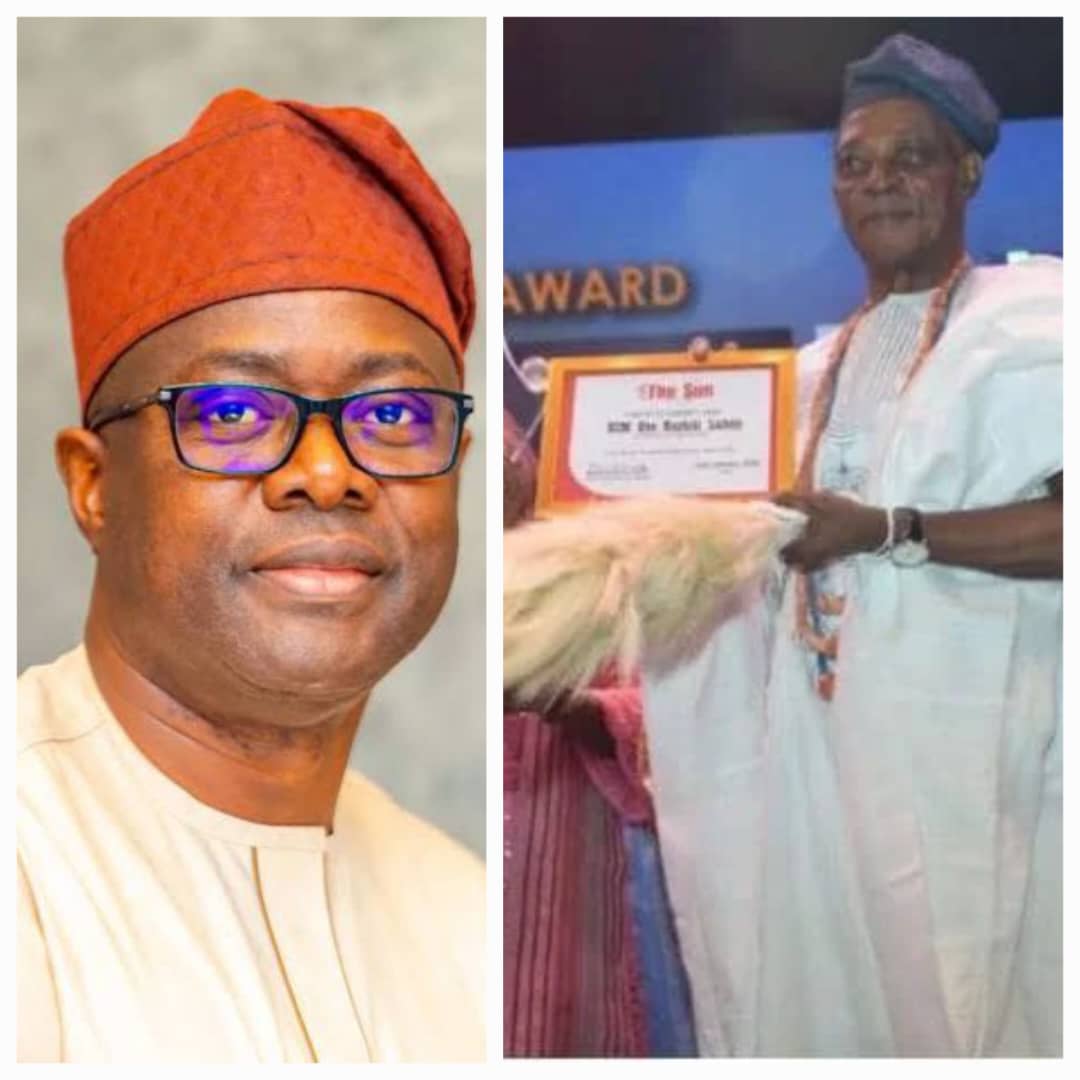
The Nigeria Union of Journalists (NUJ), Oyo State Council, has congratulated Governor Seyi Makinde and the Olubadan of Ibadanland, Oba Rashidi Adewolu Ladoja, Arusa 1, on honours conferred on them by The Sun Newspapers.
In a statement jointly signed by Chairman, Akeem Abas and Secretary, Dayo Adu, the NUJ said Makinde won Sun Political Personality of the Year, while Oba Ladoja received the Lifetime Achievement Award.
The NUJ said that Makinde’s award recognised his purposeful leadership, people-centred governance, infrastructural transformation and consistent democratic values delivered across Oyo State.
The council said Governor Seyi Makinde’s visionary policies strengthened media freedom, improved media-government relations and enhanced public trust through transparent communication, participatory governance and inclusive development initiatives.
The NUJ also congratulated Oba Rashidi Ladoja on the Lifetime Achievement Award, citing his cultural leadership, peace building, wisdom and enduring contributions to Ibadanland.
It said Oba Ladoja’s lifelong commitment to public service, politics and the traditional institution exemplified humility, statesmanship, sacrifice, while fostering harmony and development.
The union commended The Sun Newspapers for promoting excellence, accountability and national discourse through journalism awards, celebrating impactful leadership and democratic culture.
According to NUJ, such recognitions encourage public office holders and traditional rulers to deepen service delivery, uphold ethical standards and prioritise citizens’ welfare nationwide.
The council reaffirmed its commitment to objective reporting, professional journalism, constructive engagement with government and institutions, while supporting democracy and accountability in Oyo State.
It urged leaders at all levels to draw inspiration from the awardees by embracing transparency, inclusiveness and empathy in governance.
The council wished Gov. Makinde and Oba Ladoja continued wisdom, good health and greater service to humanity and Oyo State.
news
Ahmed Raji(SAN) Accomplish Another Landmark Feat, Launch New School Block, Handover Ultra-Modern CBT Center To JAMB.

Renowned legal icon, philanthropist and Senior Advocate of Nigeria (SAN), Alhaji Ahmed Adeniyi Raji, has once again reaffirmed his unwavering commitment to educational advancement as he is getting ready to launch a newly constructed school building and hand-over a modern Computer Based Test (CBT) Centre to Joint Admissions and Matriculation Board (JAMB) in Iseyin, Oyo State.
This historic event, scheduled to hold on Wednesday, February 11, 2026, is expected to attract top educationists, including the Registrar of JAMB, Professor Isiaq Oloyede, who will officially receive the CBT centre on behalf of the examination body.
According to statement issued and signed by Hon. Saheed Adejare Yusuf Alaran, brother, development partner to the legal luminary and made available to media, said this intervention initiative is part of Alhaji Raji’s long-standing vision to make quality education affordable, accessible and all-inclusive, irrespective of students’ socio-economic background.
Hon. Adejare Yusuf Alaran disclosed that the legal icon has taken full responsibility for the construction of a modern school complex comprising classrooms, administrative offices and fully equipped laboratories for the Senior Secondary arm of Raji Okeesa Memorial Comprehensive High School. The new facilities are designed to enhance teaching, learning and overall academic excellence.
In addition, Alhaji Raji has also built a well-equipped JAMB CBT Centre with a seating capacity of 250 candidates, fitted to meet global examination standards. The centre is expected to significantly ease the burden on students who previously travelled long distances to sit for UTME examinations.
Hon. Adejare Yusuf Alaran further noted that the official unveiling and handover will ensure the CBT centre is efficiently managed by JAMB for optimal use. He stressed that the initiative would save thousands of youths from avoidable stress while promoting fairness and efficiency in examination processes.
With this latest gesture, Alhaji Raji has once again etched his name in gold as a steadfast champion of education and youth empowerment in Oyo State and beyond.
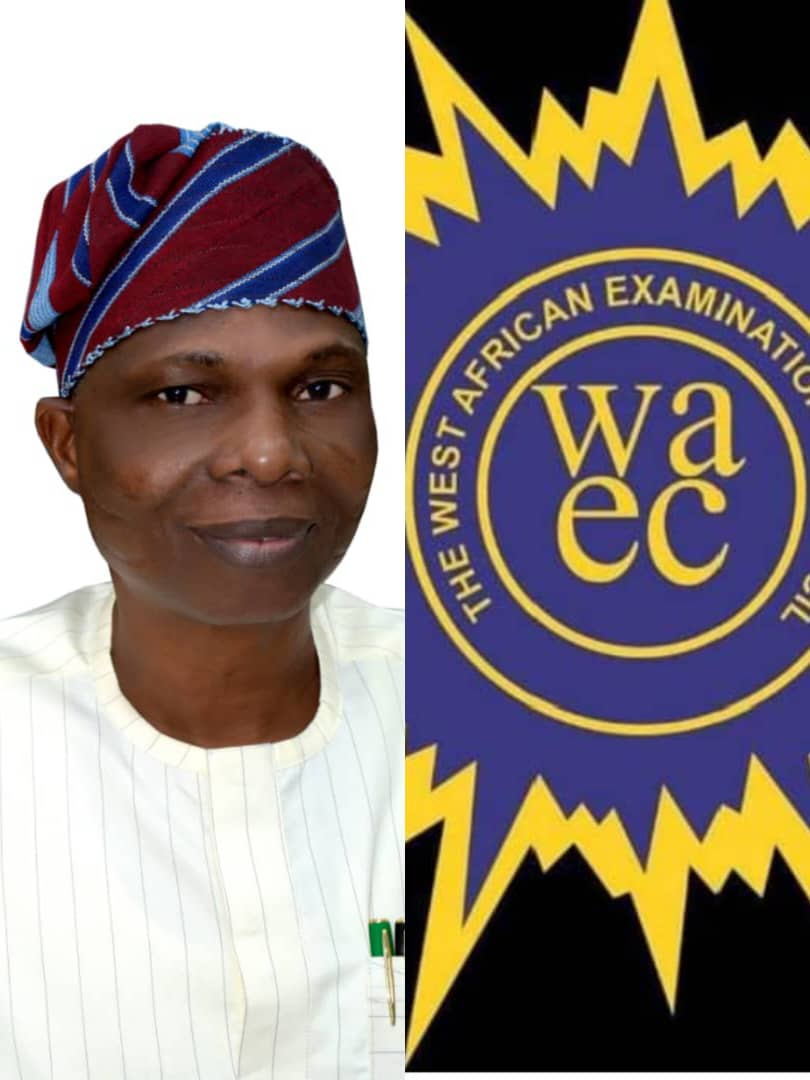
Oyo State Government has reaffirmed its preparedness for the official commencement of the Computer-Based Test (CBT) mode of the West African Examinations Council (WAEC) examinations.
This is in line with the Federal Government’s directive for a gradual transition from pen-and-paper to full digital testing.
The Commissioner for Education, Science and Technology, Hon. Olusegun Olayiwola, disclosed this while receiving the Zonal Coordinator and Deputy Registrar of West African Examination Council(WAEC), Mr. Waheed Amode, and his management team during a courtesy visit to his office on Wednesday, February 4, 2026.
Olayiwola revealed that Oyo State Governor, Engr. Seyi Makinde has directed that the cost implications for the procurement of over 60,000 laptops for public senior secondary schools across the state be worked out, noting that the move is aimed at positioning Oyo State ahead of the full adoption of CBT examinations.
He commended WAEC for the proactive measures taken to address the challenges experienced during the 2025 examinations, while pledging the Ministry’s continued support in curbing examination malpractice and preventing vandalisation of school facilities.
In his remarks, Amode said the visit was to appreciate the Oyo State Ministry of Education for its support during the 2025 WAEC examinations and for its consistent collaboration with the Council over the years, describing the Ministry as a key stakeholder in the success of WAEC operations.
He disclosed that registration for the 2026 May/June WAEC examination closed on 2nd February, 2026, adding that the forthcoming examinations would be conducted using both CBT and pen-and-paper modes depending on the readiness of individual schools, while schools interested in full CBT participation are expected to formally indicate their interest through official correspondence.
Amode also warned that severe penalties await any candidate caught with mobile phones in the examination hall.
He stressed that such misconduct could lead to the cancellation of an entire school’s results, depending on the circumstances, and urged principals and teachers to uphold integrity in order to strengthen educational standards.
Meanwhile, Honourable Olusegun Olayiwola has called on parents, guardians and teachers to strengthen collaboration in order to address moral decline in schools, noting that effective partnership between the home and the school is essential for raising disciplined, responsible and value-driven students.
The Commissioner made the call while receiving members of the National Education Reform Movement (NERM), urging stakeholders to prioritise discipline and quality teaching, while NERM leader, Mr. Adewumi Abass, warned that weak parent–teacher synergy and rising examination malpractice pose serious threats to Nigeria’s education system and recommended the use of the resource book, “Parenting for Excellence,” as a guide for improvement.
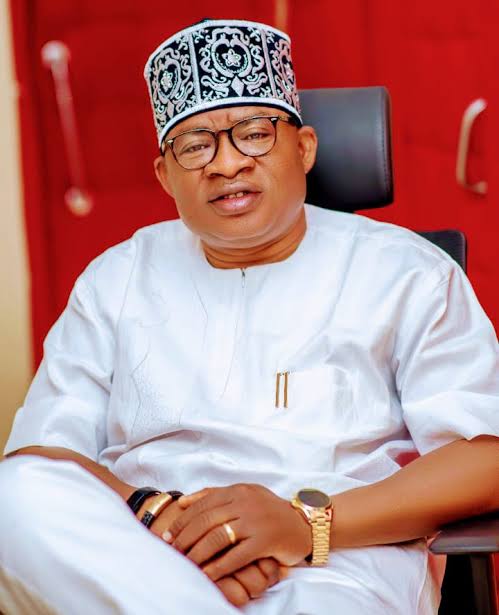
The Nigeria Union of Journalists (NUJ), Oyo State Council, has congratulated a distinguished Patron and renowned mediapreneur, Olooye Adeboyega Taofeek Adegoke, on the occasion of his birthday, describing him as a pillar of support for journalists and media development in the state.
In a congratulatory statement jointly signed by the Chairman, Mr. Akeem Abas, and Secretary, Dayo Adu, the Council extolled Oloye Adegoke’s outstanding commitment to the growth of the Union and the welfare of its members.
The council noted that as a responsible and dependable Patron, Oloye Adegoke has consistently demonstrated deep passion for the progress of journalism, maintaining a cordial and mutually beneficial relationship with the NUJ Oyo State Council.
It added that his unreserved benevolence to the Union and to journalists who cross his path, stressing that his interventions and support have positively impacted many practitioners within the media space.
According to the Council, the celebrant has remained a strong pillar behind several NUJ programmes and activities, offering support that has contributed immensely to the successful execution of professional and welfare-driven initiatives.
The Union particularly commended his rare gesture of giving without demanding anything in return, describing his selflessness as a virtue worthy of emulation within and outside the media industry.
Oyo NUJ added that Oloye Adegoke’s contributions as a mediapreneur have also helped in advancing media enterprise, capacity building, and opportunities for journalists across the state.
The Council wished him a happy birthday and prayed for continued good health, greater accomplishments, and more impactful years in service to humanity and the journalism profession.
-

 news11 months ago
Interrogating the connection between social service and charity
-
news2 months ago
Arrive Early To Examination Centers, Comport Yourselves – Oyo HOS Admonishes Civil/Public Servants
-
news10 months ago
ANPP block in APC expresses deep concern over marginalisation to re-evaluate membership
-
news8 months ago
LG Commission Chairman ‘Wolekanle’ Gets Oyo NULGE’s Support
-
 news11 months ago
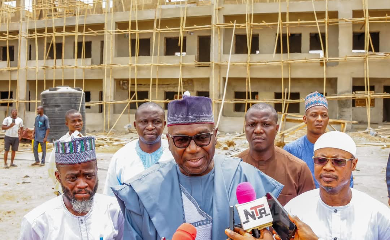
Abdulrazaq Inspects Govt’s Multistorey Prototype School
-

 economics12 months ago
NNPC Shipping, partners unveil joint venture to boost crude transport
-

 news12 months ago
Man arrested for beating girlfriend to death in Lagos
-

 economics12 months ago
Subscribers lament as MultiChoice raises DStv subscription by 21%