
news
Young, bold and reform-driven, Ogundoyin’s defining legacy as conference chairman, By Oyetunji Oyekunle

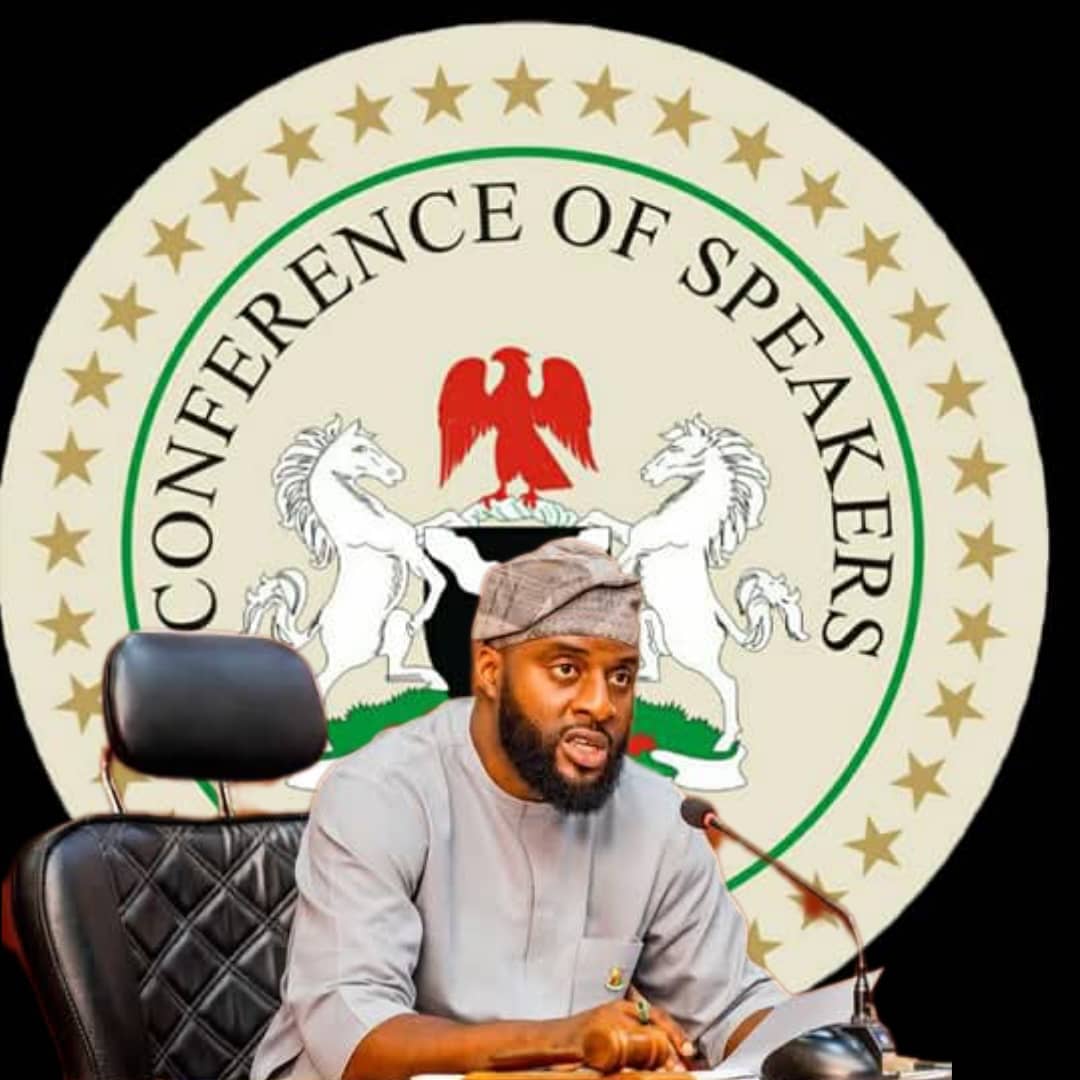
When Rt. Hon. Adebo Edward Ogundoyin, Speaker of the Oyo State House of Assembly, was elected Chairman of the Conference of Speakers of State Legislatures of Nigeria on September 17, 2023, it marked a historic moment. He became the youngest Speaker to occupy this prestigious position and notably, the first from an opposition party to be so elected. This milestone not only signified a generational shift in Nigeria’s legislative leadership but also heralded a new era of reform-oriented, bold, visionary and inclusive governance.
Since assuming the role, Rt. Hon. Ogundoyin has demonstrated remarkable leadership, steering the Conference with vision, courage and strategic clarity. One of his flagship initiatives is the ongoing digital transformation of State Houses of Assembly, in partnership with the United Nations Development Programme (UNDP). This ambitious project aims to modernize legislative processes, enhance transparency, improve efficiency and foster greater citizen engagement across the country.
Under his chairmanship, the Conference has also strengthened its institutional voice and defended the autonomy of State Legislatures. His swift intervention during the summons of the Speakers of Benue and Zamfara by a House of Representatives Committee safeguarded legislative independence and underscored his commitment to upholding constitutional boundaries.
Rt. Hon. Ogundoyin has consistently championed synergy between arms of government. His meeting with the Chairman of the Nigeria Governors’ Forum (NGF), Governor Abdulrahman Abdulrazaq, was a deliberate effort to align Executive and Legislative priorities, particularly around constitutional amendments, governance reforms and strengthening of democracy at the subnationals.
He has also led the Conference’s inputs in the constitutional review process, submitting a comprehensive memorandum that includes robust proposals such as the establishment of State Police and devolution of powers to sub-national units, reforms he continues to champion passionately at every forum.
Beyond this, he has expanded diplomatic engagement by paying a working visit to the Chinese Ambassador to Nigeria, His Excellency Yu Dunhai, to discuss cooperation in legislative development and investment opportunities. These strategic partnerships reflect his broader vision of repositioning State Assemblies as engines of democratic growth and socioeconomic progress.
Also, as part of his agenda to strengthen democratic governance and enhance the capacity of legislative institutions at the subnational level, Rt. Hon. Adebo Ogundoyin, alongside members of the Executive Council of the Conference, held strategic engagements with the United States Consul General, Will Stevens, and the U.S. Chargé d’Affaires in Nigeria. These high-level interactions focused on deepening democratic values, promoting legislative accountability and building institutional frameworks that support effective lawmaking and governance in Nigeria’s State Assemblies.
The meetings underscored the commitment of the Conference leadership to fostering international partnerships that can provide technical support, training and democratic strengthening for subnational legislatures across the country.
In furtherance of the Conference’s reform agenda, Rt. Hon. Ogundoyin, on behalf of the body, met with the Executive Chairman of the Federal Inland Revenue Service (FIRS), Dr. Zacch Adedeji, to explore strategic collaboration in advancing the Conference’s legislative reform initiatives. The meeting focused on aligning efforts to strengthen fiscal transparency, improve revenue legislation at the sub-national level, and foster institutional partnerships that would support economic and tax-related reforms across State Assemblies.
This dialogue underscores the Conference of Speaker’s commitment to building bridges with key federal institutions to deepen the impact of sub-national legislative work.
Internally, he has facilitated the harmonization of Standing Orders of State Houses of Assembly in collaboration with Konrad-Adenauer-Stiftung (KAS) and the National Institute for Legislative and Democratic Studies (NILDS), fostering uniformity and best practices across states.
His proactive media engagement has kept the Conference in the national conversation, with timely press releases addressing urgent national issues, including strong condemnations of external interference in the legislative affairs of Rivers and Lagos States.
Rt. Hon. Ogundoyin’s advocacy for increased women representation in governance and legislative leadership has also been consistent. He has used his platform to call for inclusive governance and gender equity, reiterating that no society can thrive while half of its population is underrepresented.
Furthermore, under his leadership, the Conference established the Post-Legislative Scrutiny Unit, a reform that ensures continuous review and monitoring of already passed laws for effectiveness and relevance. First of its kind in Nigeria, this is a significant step towards deepening accountability and citizen-centered legislation at the sub-national level.
Rt. Hon. Ogundoyin has also engaged with various institutions, organizations and individuals to advance the Conference’s objectives. His efforts include continuous dialogue with the Parliamentary Staff Association of Nigeria (PASAN) on ensuring a harmonious working relationship with the leadership of the legislative staff across the country in order to promote excellence and forestall industrial impasse.
Also worthy of mention is his interaction and engagement with the Nigeria Governors’ Forum to ensure the implementation of financial autonomy for State Legislatures.
Additionally, he has intensified advocacy for food security and nutrition, particularly for women and adolescent girls, both within Nigeria and at international platforms like the Nutrition for Growth Summit in Paris.
In another landmark move under his leadership, Oyo State has been selected to host the first-ever Southwest Legislative Summit in early 2026. The decision followed a meeting of Southwest Speakers in Abeokuta, where Rt. Hon. Ogundoyin, as keynote speaker, emphasized the urgency of regional legislative synergy to tackle issues like electoral reform, youth inclusion, insecurity and devolution of powers. He described the summit as a strategic platform for peer learning and joint policy development, stating, “We are stronger when we legislate with a shared vision.”
The upcoming summit, to be held in Ibadan, reflects Ogundoyin’s commitment to strengthening subnational democracy and fostering regional cooperation through institutionalized legislative platforms.
These remarkable milestones would not have been possible without the unwavering support and cooperation of the leadership team of the Conference. Rt. Hon. Adebo Ogundoyin has always acknowledged the critical role played by his fellow executive members in driving the vision of a more independent, collaborative, and reformed legislative institution in Nigeria.
He has on several instances extended deep appreciation to the Zonal Executive Team of the Conference, the 36 Honourable Speakers of State Houses of Assembly and by extension, all state legislators across the country for the synergy, unity and commitment that continue to define their working relationship.
For him, their dedication and teamwork have provided the enabling environment for the Conference to thrive and for its collective voice to resonate louder on national issues.
Rt. Hon. Ogundoyin’s trailblazing leadership is, therefore, not a solo journey—it is a shared success, anchored on collective resolve and mutual respect. Together, they are not just making history; they are shaping the future of Nigeria’s legislative governance.
With his bold vision for the Conference of Speakers and his impressive record of service as a two-time Speaker of the Oyo State House of Assembly, Rt. Hon. Adebo Ogundoyin stands as the highest ranking State Legislator in the annals of Oyo State’s political history. His leadership has not only broken barriers but also set new standards for legislative excellence at both state and national levels. His growing portfolio of national and regional engagements continues to position him as a key architect of Nigeria’s democratic future.
Poised for more challenging and greater political responsibilities ahead, Rt. Hon. Adebo Ogundoyin has proven himself as a leader who is tested and trusted. His journey is a compelling testament to youthful leadership, strategic thinking, and unwavering dedication to democratic development.
As the future unfolds, all eyes remain on this trailblazer whose political path continues to inspire confidence, not just in Oyo State, but across Nigeria.
As a son of Eruwa in Oyo State, Rt. Hon. Adebo Ogundoyin is making the State proud. He has proven beyond any doubt that leadership, when driven by vision and purpose, can change narratives and achieve results.
Oyetunji Oyekunle is the Media Aide to Rt. Hon. Adebo Ogundoyin
news
Ahmed Raji(SAN) Accomplish Another Landmark Feat, Launch New School Block, Handover Ultra-Modern CBT Center To JAMB.

Renowned legal icon, philanthropist and Senior Advocate of Nigeria (SAN), Alhaji Ahmed Adeniyi Raji, has once again reaffirmed his unwavering commitment to educational advancement as he is getting ready to launch a newly constructed school building and hand-over a modern Computer Based Test (CBT) Centre to Joint Admissions and Matriculation Board (JAMB) in Iseyin, Oyo State.
This historic event, scheduled to hold on Wednesday, February 11, 2026, is expected to attract top educationists, including the Registrar of JAMB, Professor Isiaq Oloyede, who will officially receive the CBT centre on behalf of the examination body.
According to statement issued and signed by Hon. Saheed Adejare Yusuf Alaran, brother, development partner to the legal luminary and made available to media, said this intervention initiative is part of Alhaji Raji’s long-standing vision to make quality education affordable, accessible and all-inclusive, irrespective of students’ socio-economic background.
Hon. Adejare Yusuf Alaran disclosed that the legal icon has taken full responsibility for the construction of a modern school complex comprising classrooms, administrative offices and fully equipped laboratories for the Senior Secondary arm of Raji Okeesa Memorial Comprehensive High School. The new facilities are designed to enhance teaching, learning and overall academic excellence.
In addition, Alhaji Raji has also built a well-equipped JAMB CBT Centre with a seating capacity of 250 candidates, fitted to meet global examination standards. The centre is expected to significantly ease the burden on students who previously travelled long distances to sit for UTME examinations.
Hon. Adejare Yusuf Alaran further noted that the official unveiling and handover will ensure the CBT centre is efficiently managed by JAMB for optimal use. He stressed that the initiative would save thousands of youths from avoidable stress while promoting fairness and efficiency in examination processes.
With this latest gesture, Alhaji Raji has once again etched his name in gold as a steadfast champion of education and youth empowerment in Oyo State and beyond.
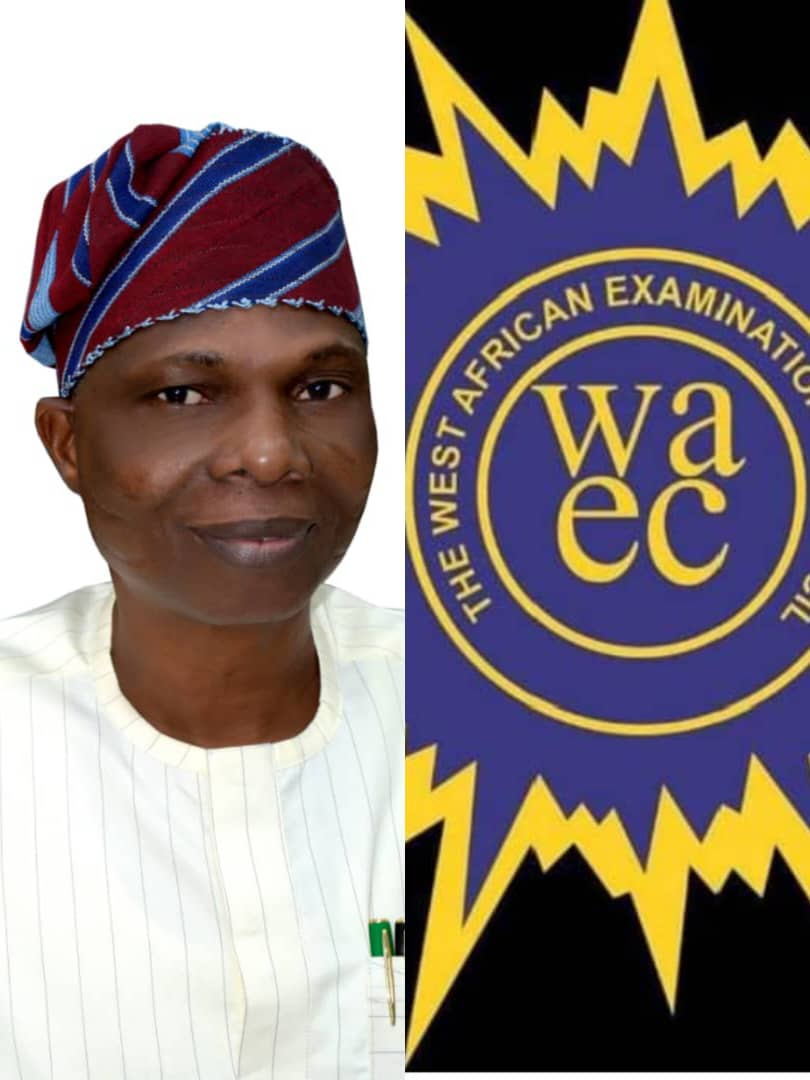
Oyo State Government has reaffirmed its preparedness for the official commencement of the Computer-Based Test (CBT) mode of the West African Examinations Council (WAEC) examinations.
This is in line with the Federal Government’s directive for a gradual transition from pen-and-paper to full digital testing.
The Commissioner for Education, Science and Technology, Hon. Olusegun Olayiwola, disclosed this while receiving the Zonal Coordinator and Deputy Registrar of West African Examination Council(WAEC), Mr. Waheed Amode, and his management team during a courtesy visit to his office on Wednesday, February 4, 2026.
Olayiwola revealed that Oyo State Governor, Engr. Seyi Makinde has directed that the cost implications for the procurement of over 60,000 laptops for public senior secondary schools across the state be worked out, noting that the move is aimed at positioning Oyo State ahead of the full adoption of CBT examinations.
He commended WAEC for the proactive measures taken to address the challenges experienced during the 2025 examinations, while pledging the Ministry’s continued support in curbing examination malpractice and preventing vandalisation of school facilities.
In his remarks, Amode said the visit was to appreciate the Oyo State Ministry of Education for its support during the 2025 WAEC examinations and for its consistent collaboration with the Council over the years, describing the Ministry as a key stakeholder in the success of WAEC operations.
He disclosed that registration for the 2026 May/June WAEC examination closed on 2nd February, 2026, adding that the forthcoming examinations would be conducted using both CBT and pen-and-paper modes depending on the readiness of individual schools, while schools interested in full CBT participation are expected to formally indicate their interest through official correspondence.
Amode also warned that severe penalties await any candidate caught with mobile phones in the examination hall.
He stressed that such misconduct could lead to the cancellation of an entire school’s results, depending on the circumstances, and urged principals and teachers to uphold integrity in order to strengthen educational standards.
Meanwhile, Honourable Olusegun Olayiwola has called on parents, guardians and teachers to strengthen collaboration in order to address moral decline in schools, noting that effective partnership between the home and the school is essential for raising disciplined, responsible and value-driven students.
The Commissioner made the call while receiving members of the National Education Reform Movement (NERM), urging stakeholders to prioritise discipline and quality teaching, while NERM leader, Mr. Adewumi Abass, warned that weak parent–teacher synergy and rising examination malpractice pose serious threats to Nigeria’s education system and recommended the use of the resource book, “Parenting for Excellence,” as a guide for improvement.
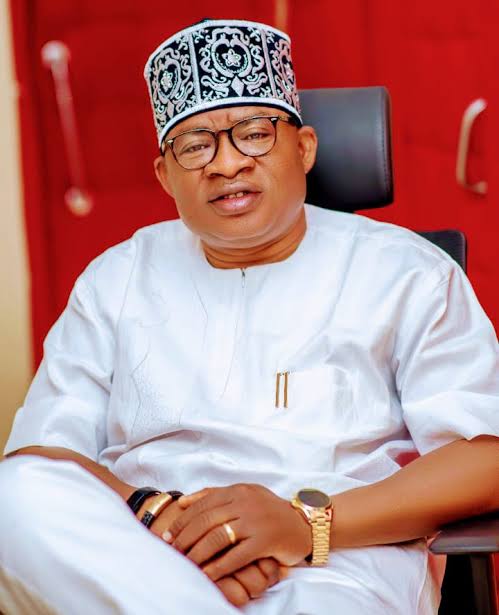
The Nigeria Union of Journalists (NUJ), Oyo State Council, has congratulated a distinguished Patron and renowned mediapreneur, Olooye Adeboyega Taofeek Adegoke, on the occasion of his birthday, describing him as a pillar of support for journalists and media development in the state.
In a congratulatory statement jointly signed by the Chairman, Mr. Akeem Abas, and Secretary, Dayo Adu, the Council extolled Oloye Adegoke’s outstanding commitment to the growth of the Union and the welfare of its members.
The council noted that as a responsible and dependable Patron, Oloye Adegoke has consistently demonstrated deep passion for the progress of journalism, maintaining a cordial and mutually beneficial relationship with the NUJ Oyo State Council.
It added that his unreserved benevolence to the Union and to journalists who cross his path, stressing that his interventions and support have positively impacted many practitioners within the media space.
According to the Council, the celebrant has remained a strong pillar behind several NUJ programmes and activities, offering support that has contributed immensely to the successful execution of professional and welfare-driven initiatives.
The Union particularly commended his rare gesture of giving without demanding anything in return, describing his selflessness as a virtue worthy of emulation within and outside the media industry.
Oyo NUJ added that Oloye Adegoke’s contributions as a mediapreneur have also helped in advancing media enterprise, capacity building, and opportunities for journalists across the state.
The Council wished him a happy birthday and prayed for continued good health, greater accomplishments, and more impactful years in service to humanity and the journalism profession.
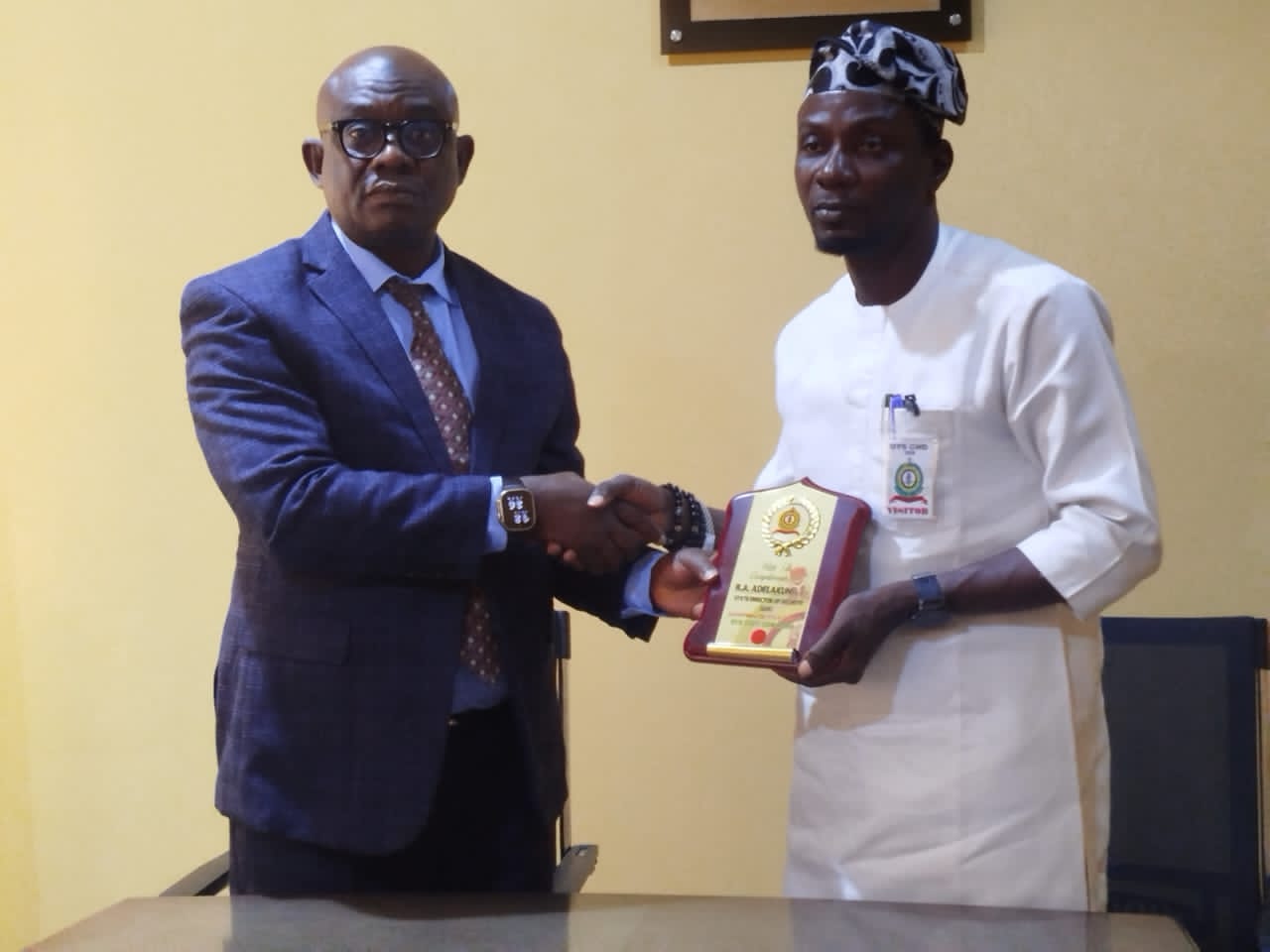
The Department of State Services (DSS) in Oyo State has reiterated its commitment to working closely with the Nigeria Union of Journalists (NUJ) to address security challenges and curb the activities of fifth columnists.
The State Director of DSS , Mr. Rasheed Adelakun, made this known when the executives of the NUJ, Oyo State Council, led by its Chairman, Mr. Akeem Abas, paid a courtesy visit to the state headquarters of the service in Ibadan.
Adelakun described the media as a critical partner in national security, stressing that effective information management and responsible reportage were essential tools to sustaining peace and stability.
He expressed concern over the increasing activities of fifth columnists, warning that their actions pose grave dangers to national security and peaceful coexistence.
According to him, the spread of misinformation and unverified reports could be exploited by such elements to undermine public confidence and social cohesion.
Adelakun, therefore, urged journalists to uphold professionalism and ethical standards in the discharge of their duties in the interest of national development.
Earlier in his remarks, the Oyo NUJ Chairman, Mr. Akeem Abas, assured the DSS of the union’s readiness to sustain collaboration with security agencies to promote peace, security and unity in Oyo State and across the country.
Abas added that NUJ would continue to sensitise its members on the importance of responsible journalism, fact-checking and adherence to ethical standards, noting that accurate and timely information remains a vital tool in supporting security agencies and strengthening national cohesion.
news
One Death Too Many: Government Must Be Held Accountable ““The opposite of love is not hate, it is indifference.”- Elie Wiesel – By Lanre Ogundipe

There are moments in the life of a nation when condolences become an insult. The massacre in the Woro and Nuku communities of Kaiama Local Government, Kwara State is one such moment.
Over one hundred and sixty Nigerians men, women and children were rounded up, bound, and executed in cold blood.
Not in a war zone. Not in a declared battlefield. But in their homes, on their farms, in the ordinary spaces of daily life where citizens are supposed to be protected by the state.
In response, government spoke. It always speaks. Condolences were offered. Troops were deployed after the fact. Statements were issued. And then silence followed, the familiar Nigerian silence that descends after tragedy, as though the mere passage of time could substitute for justice.
But when citizens are slaughtered in one coordinated attack and the primary response is sympathy, the issue is no longer insecurity alone. It is governance failure.
When warnings are ignored, graves multiply.
Several years ago, a former Chief of Army Staff and Minister of Defence publicly expressed loss of confidence in the ability of Nigeria’s security architecture to protect its citizens. He warned that communities were becoming sitting targets and suggested that citizens might have to defend themselves. At the time, the statement was controversial. Some dismissed it as reckless; others saw it as frustration.
Today, after repeated mass killings across the North-Central, the North-West, parts of the Middle Belt, and now creeping steadily into the South-West, that warning no longer sounds extreme. It sounds like an unaddressed alarm.
When a figure who once sat at the heart of the military establishment openly questions the system’s effectiveness, responsible governance demands inquiry and reform. Instead, the system closed ranks. The result is visible in mass graves.
Missing weapons, unanswered questions
Nigeria’s insecurity is sustained not only by ideology but by logistics. Armed groups operate with weapons, ammunition, intelligence and mobility. This raises a fundamental question that has never been satisfactorily answered: how do non-state actors consistently acquire arms in such quantities in a country with supposedly regulated armouries?
Over the years, there have been persistent allegations of missing or diverted weapons from police and military stockpiles. Senate inquiries have been announced. Committees have been formed. Investigations have been promised. Yet the outcomes remain largely invisible to the public.
Weapons do not simply disappear in a functioning state. When they do, and no one is held accountable, it creates an environment where criminal networks thrive. Citizens are entitled to know whether arms procured with public funds to defend them have been mismanaged, diverted, or abandoned to corruption.
Until there is a transparent forensic audit of arms procurement, storage and deployment, every massacre will raise the same disturbing suspicion: that state failure is not accidental.
Security agencies under scrutiny.
It must be stated clearly: many officers have paid with their lives trying to protect communities. Their sacrifice deserves respect. But institutions are judged by outcomes, not intentions.
Nigeria’s security agencies have long struggled with poor intelligence coordination, slow response times, weak oversight, and public trust deficits.
Allegations of corruption, abuse of power and selective enforcement are not new.
They are part of a documented pattern that has eroded confidence between citizens and those tasked with protecting them.
When attacks occur despite repeated warnings, when perpetrators operate for hours without resistance, and when accountability rarely follows, citizens are justified in asking whether the problem is merely incompetence or something deeper.
Asking such questions is not an attack on the uniform. It is a demand for institutional accountability.
Violence reaches the South-West.
For years, the South-West assumed a measure of insulation from the scale of violence seen elsewhere.
That assumption is now dangerously outdated. Criminal networks and extremist violence have found entry points into parts of Osun State through Ora-Igbomina and surrounding communities.
Farmers are afraid to work their land. Families fear nightfall. The early warning signs are unmistakable.
Yet political leadership appears distracted by ceremonies, anniversaries and public celebrations. At a time when security coordination should dominate governance priorities, optics and pageantry seem to take precedence.
Leadership is not measured by appearances in moments of comfort, but by decisiveness in moments of crisis.
Unequal seriousness across regions
Across Nigeria, a contrast is emerging. Some states, particularly in parts of the East and South-South, are investing in intelligence gathering, technological support, community surveillance and structured engagement with security professionals. These efforts are not perfect, but they demonstrate seriousness.
The question is unavoidable: what are other states prioritising? What value does infrastructure, celebration or political theatre hold when citizens are unsafe? Development without security is an illusion.
Security is not one policy item among many. It is the foundation upon which every other policy rests.
Beyond religion and ethnicity.
This tragedy must not be misrepresented as religious or ethnic conflict. Terror does not discriminate by faith. Bullets do not recognise identity. Christian or Muslim, Yoruba or Hausa or Igbo — the dead are united by vulnerability, not belief.
Reducing these massacres to sectarian narratives only benefits those who profit from chaos. The real divide is between citizens protected by power and citizens exposed to violence.
A government that cannot protect its people, regardless of who they are or what they believe, has failed its most basic obligation.
The dangerous appeal of self-help
In the face of repeated state failure, some citizens ask whether they must protect themselves. This is not rebellion; it is despair. But history shows that widespread vigilantism leads not to safety, but to cycles of revenge and instability.
The alternative is not lawlessness. It is accountability.
Citizens must demand:
Transparent investigations into security failures before and during major attacks.
A full forensic audit of missing or diverted weapons.
Clear responsibility for governors, commissioners and security chiefs where negligence is established.
Lawful, supervised community protection mechanisms under strict oversight.
Anything less is performance, not governance.
A quiet erosion of freedom.
There is an uncomfortable question many Nigerians now ask privately: are citizens valued only as statistics — to be governed, taxed, and mourned, but not protected?
When deaths are normalised and accountability is endlessly postponed, freedom becomes symbolic rather than real. Democracy cannot survive where life is cheap and power is insulated from consequence.
One death is too many
Let us return to the central truth. One death is too many. One hundred and sixty is a national indictment.
This massacre must not be absorbed into Nigeria’s long list of forgotten tragedies.
Condolences cannot replace justice. Silence cannot replace accountability.
History will ask what was done when citizens were slaughtered. Words alone will not be an acceptable answer.
Lanre Ogundipe , A Public Affairs Analyst, Former President Nigeria and Africa Union of Journalists writes from Abuja, Federal Capital City.
February 6, 2026.
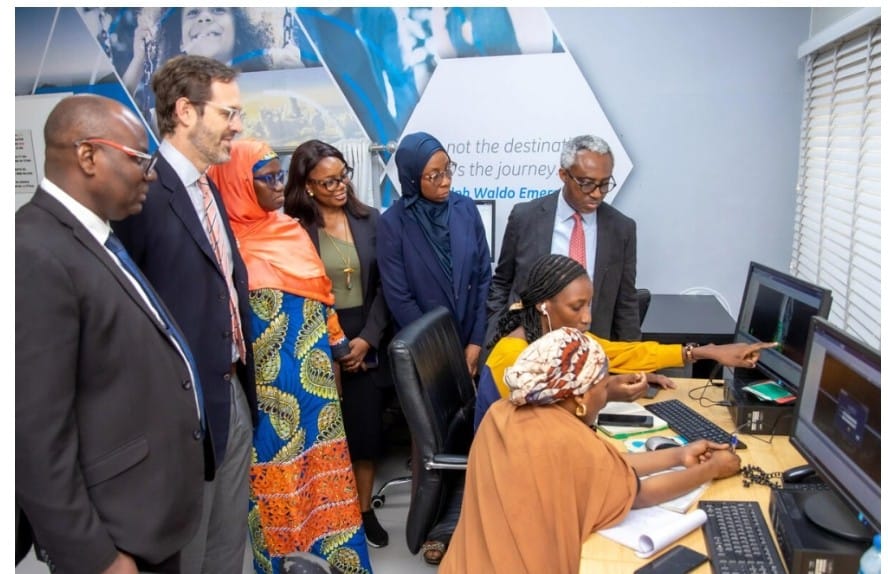
*A landmark clinical trial is underway in Nigeria, thanks to the collaborative efforts of Obafemi Awolowo University, Lagos University Teaching Hospital, Medserve and Memorial Sloan Kettering Cancer Centre. The trial investigates PD-1 blockade immunotherapy in patients with mismatch-repair-deficient colorectal cancer. The trial was approved by the National Health Research Ethics Committee (NHREC)—the organization responsible for ensuring that all health research conducted in Nigeria is ethical and globally compliant—and by the National Agency for Food and Drug Administration and Control (NAFDAC), the organisation that regulates and controls the manufacture, importation, exportation, distribution, advertisement, sale, and use of food, drugs, cosmetics, medical devices, packaged water, chemicals and detergents in Nigeria.*
This is a moment of great pride for the University of Ibadan (UI) College of Medicine! Three distinguished UI College of Medicine alumni: Dr Lilian Ekpo, Dr Zainab Yunusa-Kaltungo and Dr Tolu Adewole are instrumental in this initiative. They are part of a groundbreaking clinical trial that’s set to revolutionise colorectal cancer treatment in Nigeria. Their expertise underscores the institution’s commitment to advancing cancer research and treatment.
Dr Abraham Ariyo, a UI College of Medicine alumnus and cardiologist based in the US, shared this exciting news with me. We’d connected online about 4 months ago, bonding over our shared interest in UI and the College of Medicine. As he said, “I have read your pieces about Ibadanland and the University of Ibadan, especially about Profs. Ronke Baiyeroju and Olayinka Omigbodun. You are interested in UI and Ibadan. You are engaging in similar efforts with me regarding the alumni of the Ibadan College of Medicine. I appreciate you.” He’s been sharing stories about notable alumni achievements and this immunotherapy trial is the latest feat!
Back to the basics! This trial is a major turning point in Nigeria’s fight against cancer, with potential implications for sub-Saharan Africa. Alumni contributions reinforce the UI College of Medicine’s reputation as a hub for innovative research.
This trial’s success could establish Nigeria as a frontrunner in cancer research, demonstrating the nation’s capacity to tackle urgent health concerns. Kudos to the UI College of Medicine for nurturing talented professionals who are making a difference!
The trial is partially funded by the Thompson Family Foundation. Co-principal investigator Prof. Olusegun Isaac Alatise says, “The approval marks an important milestone in the fight against colorectal cancer in Nigeria.” Co-principal investigator Prof. Fatimah Abdulkareem adds, “This collaboration demonstrates our commitment to advancing cancer care.”
MSK’s Global Cancer Research and Training programme partnered with OAU Teaching Hospital in 2013 to establish the African Research Group for Oncology. Dr T. Peter Kingham says, “We hope this trial will lead to a similar shift in treatment possibilities for Nigerian colorectal cancer patients.”
Dr Tolulope Adewole, Medserve CEO, emphasises, “Quality oncology care should not be a privilege; it must be the minimum standard irrespective of location.”
If any advanced medical innovation occurs in Nigeria, UI alumni are likely behind it. They might not always be in the spotlight, but they are driving progress.
Globally, colorectal cancer is a significant issue, and Nigeria is not an exception, with less than half of Nigerian patients with colorectal cancer living one year after diagnosis. Colorectal cancer is a type of cancer that typically affects the colon or rectum, often presenting with no symptoms at first. But when it progresses, it can be tough to treat.
Some common signs to watch out for are changes in bowel habits (like diarrhoea or constipation); blood in stool or rectal bleeding; abdominal pain or cramps; unexplained weight loss; and Fatigue
Risk factors include age (50+); family history; diet (low fibre, high processed meat); lack of exercise; and smoking and heavy drinking.
Screening is key! Procedures like colonoscopies can catch it early when it is more treatable. The good news is that research is advancing, and treatments like immunotherapy (like the trial mentioned above) are offering new hope. Stay proactive about your health, and get checked if you’re due!
Tunji Oladejo, mnipr, JP, writes from the University of Ibadan and is the Chairman of The Progressive Forum, Ibadan (TPFI) via oladejo65@gmail.com
-

 news11 months ago
Interrogating the connection between social service and charity
-
news2 months ago
Arrive Early To Examination Centers, Comport Yourselves – Oyo HOS Admonishes Civil/Public Servants
-
news10 months ago
ANPP block in APC expresses deep concern over marginalisation to re-evaluate membership
-
news8 months ago
LG Commission Chairman ‘Wolekanle’ Gets Oyo NULGE’s Support
-
 news11 months ago
Abdulrazaq Inspects Govt’s Multistorey Prototype School
-
 economics12 months ago
NNPC Shipping, partners unveil joint venture to boost crude transport
-
 news12 months ago
Man arrested for beating girlfriend to death in Lagos
-

 economics12 months ago
Subscribers lament as MultiChoice raises DStv subscription by 21%