
news
Makinde Approves Commencement Of Contributory Pension Scheme In Oyo State

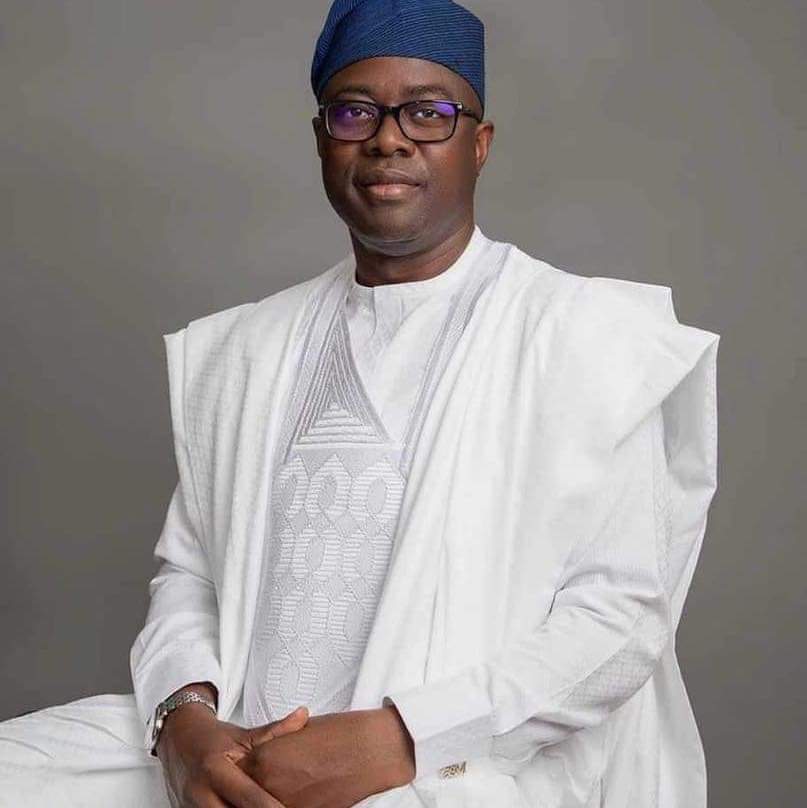
The Chairman of the Oyo State Pension Board, Hon. Tunji Rafiu Adekunle (JP), has announced that the Executive Governor of Oyo State, Engr. Seyi Makinde, FNSE, DSC, GSSRS, has approved the immediate commencement of the Contributory Pension Scheme (CPS) in the State.
Hon. Adekunle disclosed this on Wednesday, June 17, 2026, through the Permanent Secretary, Post Service Board, Rev. Adekunle Victor Adesola, in a circular with Reference No. OYPB/G/24/VOL.IV/11, issued to inform all stakeholders, Ministries, Commissions, Departments and Agencies (MDAs), as well as civil/public servants across the state.
According to the Chairman, the scheme will apply to officers employed into the service of Oyo State with effect from January 1, 2025, while the Contributory Pension Scheme will officially commence on July 1, 2026.
He explained that the pension contribution rate will be 12 per cent from the employer (Oyo State Government) and 8 per cent from the employee, in line with the approved contributory structure in the state. He added that the state government will ensure the immediate payment of accrued benefits to all affected employees upon the commencement of the scheme.
Hon. Adekunle therefore directed all MDAs to forward a comprehensive list of employees recruited into the Oyo State Civil/Public Service from January 1, 2025, using the attached proforma to the circular, in Excel format. The submissions are to be made in both hard and soft copies to the Board.
He further stated that each Ministry, Department and Agency is required to designate a Pension Desk Officer to serve as a liaison between the respective MDA and the Board.
“This measure is aimed at facilitating effective coordination, capacity building, accountability and the seamless processing of all matters relating to the Contributory Pension Scheme (CPS). The details of the nominated Desk Officer should include full name, designation/post, grade level, WhatsApp number, email address and phone number,” he said.
The circular also directed that all requested information and relevant documents be submitted to the Board on or before Monday, June 22, 2026.

news
BCOS Trade Unions Threatens Showdown With Management Over Victimization Of Union Leaders/Members, Hardship Despite Increased Monthly Subvention From Oyo State Govt

The Radio, Television, Theatre and Arts Workers Union of Nigeria (RATTAWU), Broadcasting Corporation of Oyo State (BCOS) Chapel, and the Nigeria Union of Journalists (NUJ), BCOS Chapel, have raised concerns over what they described as growing challenges affecting workers’ welfare, industrial relations, and administrative processes at the corporation.
In a joint statement issued on Wednesday, June 17, 2026, the unions called on the Oyo State Government, labour authorities, and relevant stakeholders to urgently intervene, warning that the situation could undermine industrial harmony at the state-owned media organisation.
The unions expressed concern over what they termed the “continued silence” of BCOS management, following a letter submitted to the management challenging disciplinary actions taken against some elected union officials and highlighting issues affecting workers’ rights and welfare.
According to the statement signed by the NUJ BCOS Chapel Chairman, Comrade Ademola Balogun, and RATTAWU BCOS Chapel Chairman, Comrade Adeniyi Faleti, efforts by the unions to resolve the matters through dialogue had not yielded any positive result.
The unions specifically cited the suspension of Comrade Aliyu Bashiru, Secretary of RATTAWU BCOS Chapel, as well as warning letters issued to Comrade Adeniyi Faleti and Comrade Ademola Balogun, over activities they described as part of legitimate union responsibilities.
They argued that such actions had raised concerns among workers and created the impression of interference with lawful trade union activities.
The statement stressed that recognised trade unions remain important partners in maintaining industrial peace, promoting staff welfare, and ensuring constructive engagement between workers and management.
“Any action capable of discouraging legitimate union activities or intimidating elected representatives is detrimental to healthy labour relations,” the unions stated.
They maintained that sustainable industrial harmony could only be achieved through inclusiveness, mutual respect, and continuous engagement between management and workers’ representatives.
The unions also expressed concerns about administrative and financial issues within the corporation, including transparency, accountability, and the need for broader stakeholder participation in matters affecting staff and the institution.
On workers’ welfare, the unions lamented the alleged delay in payment of May salaries, unresolved deductions, and outstanding allowances, noting that the situation had placed additional financial pressure on members of staff and their families.
They called for urgent steps to address workers’ concerns, stressing that staff welfare remained critical to productivity, commitment, and peaceful labour relations.
Among their demands, the unions called for the immediate withdrawal of disciplinary measures against affected officials, the restoration of rights and benefits suspended following the suspension of Comrade Aliyu Bashiru, and respect for workers’ constitutional rights.
They also demanded the inclusion of recognised unions in meetings and consultations affecting staff, payment of outstanding salaries, allowances, and welfare packages, review of disputed deductions, and greater transparency in the administration of the corporation.
They further urged the management to embrace dialogue as the preferred means of resolving industrial disputes.
During further investigations, some of the affected staff members who spoke on the condition of anonymity, said the hardship had become unbearable and that they could no longer continue to endure the situation.
They lamented that they could barely afford three meals a day, adding that some lives had been lost in the last few months due to the management’s maltreatment and neglect of workers’ welfare.
They questioned why staff welfare conditions had continued to deteriorate and called on the appropriate authorities to urgently intervene before the situation worsens.
They, however, reaffirmed their commitment to peace and the continued progress of BCOS, stating that industrial harmony could only thrive where workers’ welfare was prioritised and their representatives were accorded due recognition.
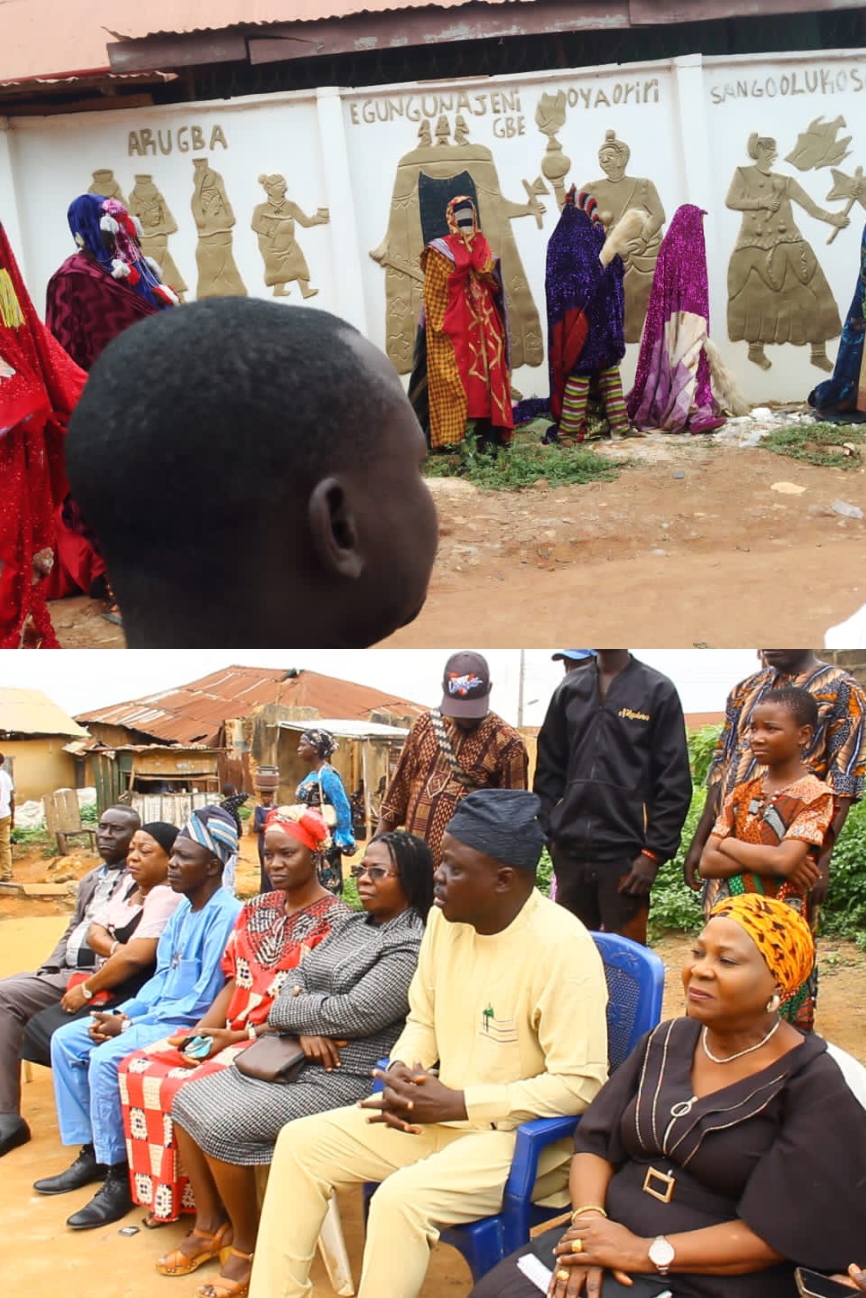
Oyo State Government has joined a special prayer session organized by the Ibadan Labala Masquerades Group for the safe release of the abducted victims of Oriire Local Government Area of the state.
The prayer, approved by the President of the Labala Masquerades Group Worldwide, Chief Ojeyemi Ajayi (Idunnu Ifa), was held at the Labala shrine, Labo Area of Ibadan South East Local Government.
The essence of the prayer according to the group is to offer traditional prayers and sacrifices on behalf of the state for the safe return of the abductees and the restoration of peace and security in the State under the leadership of Engr. Seyi Makinde.
Representing the Commissioner for Culture and Tourism at the event, the General Manager of the Oyo State Council for Arts and Culture, Mr. Kunle Agboola, commended the group’s sense of compassion, patriotism, and concern for the wellbeing of the victims and the state at large.
He noted that although several groups and individuals had organized prayer sessions since the unfortunate incident occurred, the gesture by the Ibadan Labala Masquerades Group was particularly commendable because it demonstrated a strong partnership with the government in addressing societal challenges.
Agboola said, “Thank you for partnering with the government in this challenging moment in our state. Your efforts will not be in vain. We believe that the prayers and sacrifices offered today will yield positive results and that the abductees will soon reunite with their families. Many groups have organized prayers concerning this incident, but I sincerely appreciate your invitation to the government to participate in this unique spiritual exercise.”
Speaking on behalf of the group, the Balogun Baale Labala of Ibadan and Oyo State, Chief Oosakola Oladejo, explained that a special sacrifice had earlier been carried out privately for the abductees. He added that the prayer walk organized by the group across selected locations in Ibadan was aimed at seeking divine intervention for the victims’ safety, warding off death, and praying for an end to kidnapping and insecurity in Oyo State and Nigeria as a whole.
Several spiritual leaders of the Labala Masquerades Group offered prayers during the event, including the Otun Balogun Baale Labala of Ibadan and Oyo State, Chief Ojediran Olalekan, among others.
After the prayer sessions at the shrine,attendees at the programme led by Labala masquerades embarked on a prayer walk from the Labala Shrine through the Labo Oranyan area, Wesley College, Oba Asanike Street, Idi-Aro Junction, and back to the shrine.
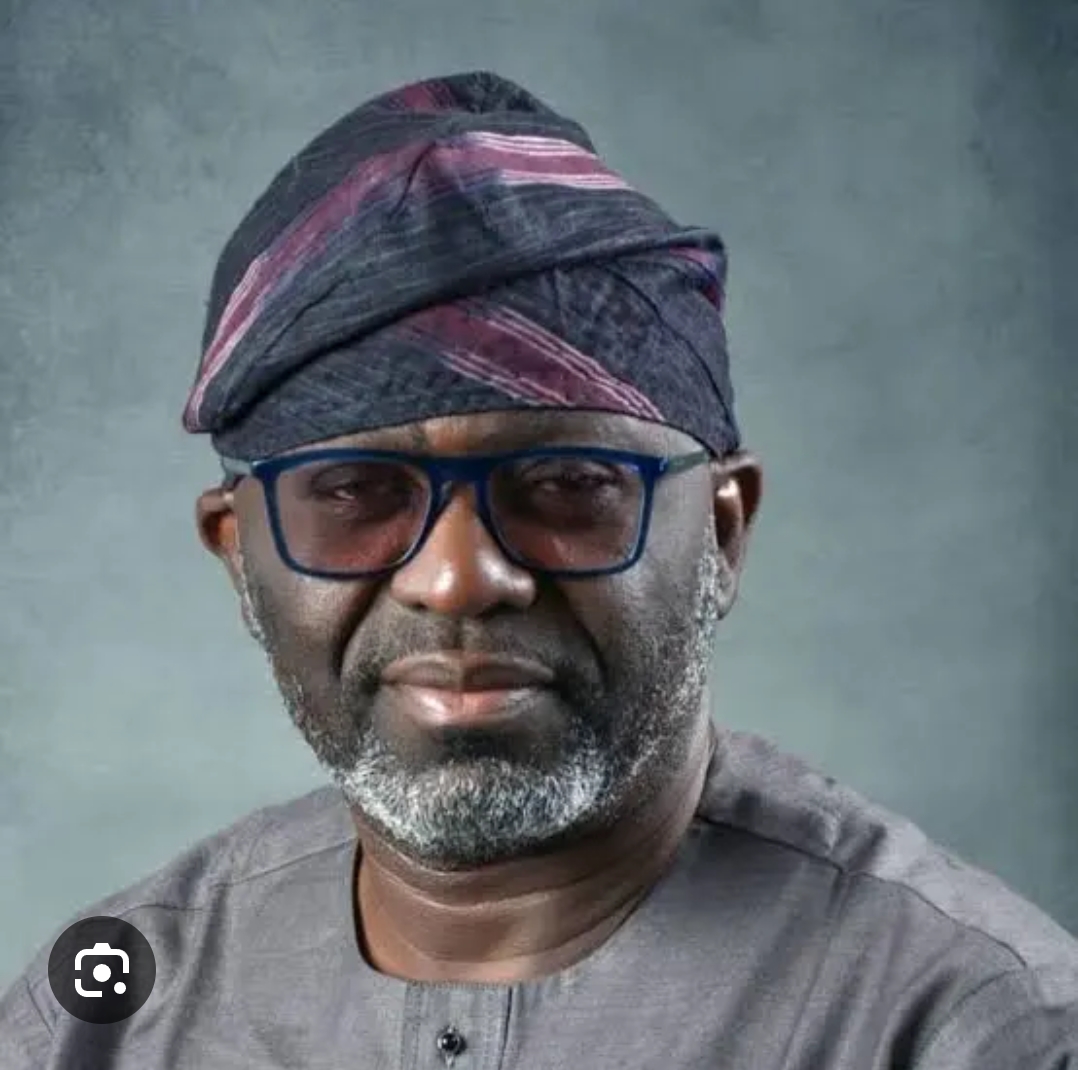
You may not know Dr Charles Akindiji Akinola.
I know him.
And I believe you should know him too.
My first encounter with this remarkable gentleman was many years ago in Osogbo, when he served in the administration of Ogbeni Rauf Aregbesola in Osun State.
What began as a formal meeting soon developed into an extensive and intellectually stimulating engagement on tourism, the creative economy and sustainable development.
It was not an ordinary conversation. It was a meeting of ideas, possibilities and shared convictions about how culture, tourism, agriculture and creativity could be transformed into powerful instruments of economic growth, employment generation and sustainable development.
From that encounter, I discovered in Dr Akinola a man of uncommon intellectual depth—a development thinker who listens attentively, interrogates ideas intelligently and regards public service as a platform for creating enduring value.
Since then, we have maintained a quiet but meaningful relationship, periodically engaging each other on sustainable development, tourism, creativity and regional economic transformation.
Today, our paths crossed again at the BAO–MCA Mega Rally held at the Ekiti Parapo Pavilion, Ado-Ekiti.
Dressed in BAO’ colourful campaign attire and relating freely with the people, he appeared calm, humble and unassuming. Yet, standing before me was one of the South-West’s most experienced development strategists and public administrators.
During our engagement, he said something that struck me deeply:
“You know, Wale, the doors of my ears are open—open to ideas and collaboration.”
That statement captured the essence of the man.
It revealed a leader who does not pretend to possess all knowledge; a public servant who understands that meaningful development is built through consultation, partnerships, fresh ideas and collective intelligence.
Dr Charles Akindiji “Diji” Akinola is the pioneer Managing Director and Chief Executive Officer of the South-West Development Commission.
He is an agriculturist, scholar, sustainable-development specialist, public-policy strategist, administrator and institution builder whose professional journey cuts across academia, international development, private enterprise and public service.
He earned a degree in Agriculture from the then University of Ife, now Obafemi Awolowo University, and a doctorate in Agricultural Extension from the University of Ibadan. He also became a Mason Fellow at the Harvard Kennedy School and a Fellow of Harvard University’s Weatherhead Center for International Affairs.
His career has taken him through universities, international development institutions, agricultural transformation programmes and high-level public service. He taught at the University of Ibadan, served at the Pan-African Institute for Development in Cameroon and became Country Director of TechnoServe.
He has worked extensively on sustainable agriculture, rural enterprise, cocoa and cashew development, private-sector partnerships and the economic empowerment of smallholder farmers.
In Osun State, he served in several strategic capacities, including as Director-General of the Office of Economic Development and Partnerships and later as Chief of Staff to Governor Adegboyega Oyetola. His work placed him at the centre of economic planning, agricultural development, investment promotion and institutional partnerships.
Today, he carries an even greater responsibility as the pioneer Managing Director of the South-West Development Commission—an institution expected to advance regional infrastructure, industrialisation, agriculture, human-capital development, innovation, job creation and economic integration across Ekiti, Lagos, Ogun, Ondo, Osun and Oyo states.
But beyond his impressive credentials, what continually fascinates me about Dr Akinola is his cosmopolitan disposition.
He is intellectually grounded but socially accessible.
He is widely travelled but deeply connected to the realities of ordinary people.
He possesses global exposure without losing his local understanding.
He can engage farmers, academics, investors, political leaders, development partners, creative practitioners and traditional institutions with equal confidence, knowledge and respect.
That is the hallmark of a truly cosmopolitan fellow—not merely one who has travelled around the world, but one whose mind remains open to cultures, disciplines, people, ideas and possibilities.
Our meeting today reminded me that the future of the South-West will not be secured by government alone. It will require the collaboration of development thinkers, tourism professionals, creative entrepreneurs, traditional institutions, investors, communities and young innovators.
Dr Akinola’s declaration that the doors of his ears are open to ideas and collaboration is, therefore, not a casual statement. It is an invitation to progressive minds across the region to bring forward practical, sustainable and transformative ideas.
The South-West Development Commission must become a bridge connecting the six states—not merely geographically, but economically, culturally and intellectually.
Tourism must connect with agriculture.
Culture must connect with technology.
The creative economy must connect with youth employment.
Infrastructure must connect with investment.
And development must ultimately connect with the everyday needs and aspirations of the people.
Dr Charles Akindiji Akinola understands these connections.
My first encounter with him in Osogbo revealed the depth of his intellect.
Our subsequent engagements demonstrated his commitment to sustainable development.
And today’s meeting at the BAO–MCA Mega Rally reaffirmed his humility, openness and readiness for collaboration.
So, when next you hear the name Dr Charles Akindiji Akinola, do not ask, “Who is he?”
Remember the cosmopolitan development strategist whose ears are open to ideas, whose mind is open to collaboration and whose present assignment carries enormous possibilities for the advancement of the entire South-West.
You may not have known him before.
I know him.
And now, you should know him too.
With Dr Charles Akindiji Akinola firmly in the saddle, the South-West Development Commission will undoubtedly be better for it. His depth of knowledge, cosmopolitan outlook, wealth of experience and uncommon openness to ideas provide the Commission with the purposeful leadership required to translate regional aspirations into concrete development. With his ears open to collaboration and his mind focused on sustainable progress, the South-West can confidently look forward to a Commission that will connect ideas with action, institutions with opportunities, and the enormous potential of the region with the shared prosperity of its people.
Barrister Wale Ojo-Lanre,
Director-General,
Ekiti State Bureau of Tourism Development.
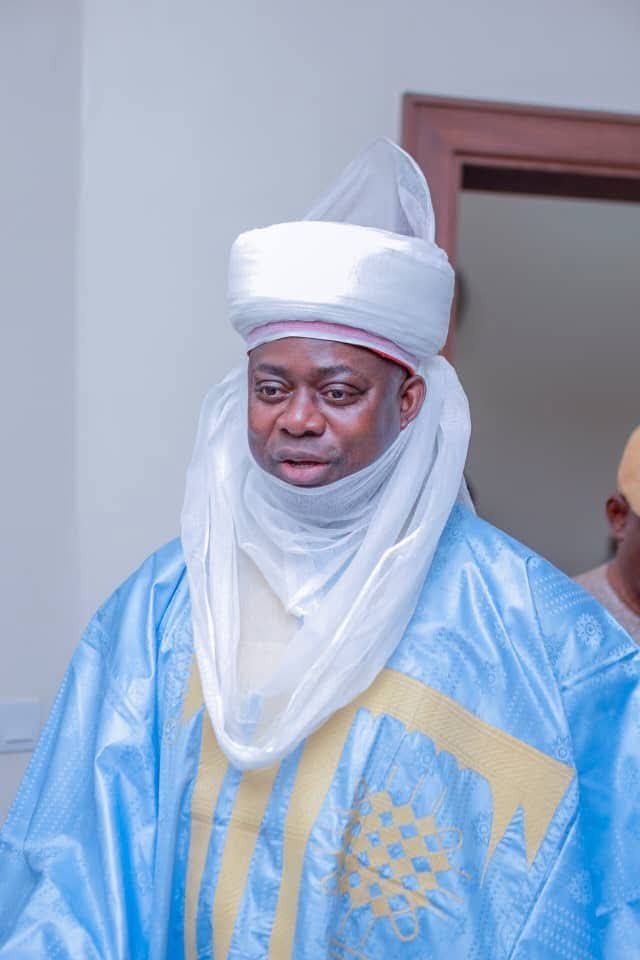
Prophet Muhammad’s (PBUH) testimony about Najashi, the Christian King of Abyssinia (modern-day Ethiopia and Eritrea), was the crowning glory of his eventful reign.The Holy Prophet (PBUH), who was experiencing severe persecution from the ruling Quraysh tribe in Mecca, had told his companions to migrate to Abyssinia to preserve their faith, saying, “If you were to go to Abyssinia, it would be better for you, for in it is a king under whom no one is wronged, and it is a land of truth…” So, in 613 CE, a group of Muslims, among who were Uthman ibn Affan and Ja’far ibn Abi Talib (may Allah be pleased with them), embarked on the first Hijrah when they set out on a long journey across deserts and seas to Abyssinia.
King Najashi lived up to his reputation; he accommodated the Muslims who sought refuge in his country. However, though the King and his people made the Muslims feel at home, the persecuting Meccans gave the faithful no respite as they chased them to Abyssinia, maligned them, and enticed Najashi with money, hoping to persuade the King to hand over the Muslims to them. But rather than dance to the tune of the Meccans, Najashi invited the Muslims to his palace and gave them an opportunity to state their own side of the story. After listening to them, the King said, “I will never hand over the Muslims to you. They are safe here in my land.”So, the Muslims remained in Abyssinia for a considerable time.
Prophet Muhammad (PBUH) was greatly impressed by King Najashi’s good leadership, and their relationship remained cordial despite being of different faiths and never meeting physically. The Prophet (PBUH) demonstrated his love and respect for King Najashi when an Abyssinian delegation paid a visit to him in Medina as he stood up to serve them food with his own hands. Similarly, when Najashi passed away in Abyssinia in 630 CE, Prophet Muhammad (PBUH) gathered his companions in Medina and performed Salat al-Gha’ib (the funeral prayer in absentia). This remains the only time in recorded history that the Prophet (PBUH) performed an absentia funeral prayer for a deceased person.
Prophet Muhammad (PBUH) went the extra mile for the King, not merely because of the latter’s support for the propagation of Islam and his kindness to Muslims, but primarily because of his migration (Hijrah) from exploitative and toxic leadership, which was the norm at the time, to ethical leadership and good governance, as well as his embrace of justice and fairness.
Taking a cue from the Prophet’s precept, Professor Kamil Oloso, a former Head of the Department of Arabic and Islamic Studies, University of Ibadan, in an interview with this writer in 2025, said: “I will be answerable to God if I fail to speak about the goodness of Governor ‘Seyi Makinde of Oyo State to Muslims in the state.”Stressing his point, Oloso, who is the Wakeel Muslimeen of Oyo State, said all the injustices experienced by Oyo State Muslims in the past had been corrected by Governor Makinde, adding that no past administration in the state had been as benevolent or supportive of Muslims and Islam as Makinde’s administration has been.
His words: “We were worried that being a Christian, he might want to marginalise the Muslim Community in the state. But when we met with him, he assured us that he would be fair to all. And he has been fair to the Muslim Community in the state.”Buttressing his position, the distinguished Islamic scholar mentioned the appointments of Muslims to key government positions, the approval of Hijrah Holiday as well as the employment of many Muslims during the recruitment exercise carried out by the state government, among others.” Professor Oloso added that the religious harmony being experienced in the state could be attributed to the fairness of Governor Makinde to all and sundry.
Also attesting to Governor Makinde’s sterling leadership and uncommon support for Islam, the Sultan of Sokoto, His Eminence Sa’ad Abubakar, who is the Amirul Mumini and the President General of the Nigerian Supreme Council for Islamic Affairs, said the governor keeps his promises. The Sultan, who was in Ibadan in 2023 to inaugurate the Adogba Mosque, which Governor Makinde rebuilt at his own expense following the demolition of the Organization of Tadhamunul Muslimeen Mosque by the state government, to make way for the Iwo Road bus terminal, said: “If you look at how the mosque was in the past and how it is now, there is nothing you can say but thank God for the life of Seyi Makinde for his thoughts and the way he implemented his thoughts.”Many people promise to do something, but when it comes to implementation, they have problems fulfilling their promises.”
Sultan Abubakar said further, “I went round the whole area, I can assure you that there is no building as beautiful as this mosque. No matter where you come from, you will see the mosque, that is what we should do for our community. We should continue to build beautiful houses of God.”The mosque is not only a place of worship, it is also a school. Now we have an Islamic school and a beautiful mosque, it is something that will encourage us to seek knowledge in this world and the hereafter. “This is a good history, and we hope to have it in many places, so we are grateful to the Governor.”
In the same vein, the Aare Musulumi of Yourbaland, Edo and Delta States, His Eminence Alhaji Dawud Makanjuola Akinola, has consistently praised Governor Makinde for his love and support for Islam and its practitioners. According to the revered Muslim leader, “Governor Makinde has been governing the state with the fear of God as well as being fair to the Muslim Ummah and adherents of other religions in the state.” He added that “Makinde is a leader whose style of governance reflects vision, inclusiveness, and commitment to the welfare of the people of Oyo State.”The Chief Imam of Ibadanland and Grand Chief Imam of Oyo State, Sheikh Abdul Ganiy Abubakri Agbotomokekere, has been unswerving in his praise for Governor Makinde for providing an enabling environment for Muslims to practise their belief and for also supporting them relentlessly. Going into specifics, the leading cleric said the Governor has built mosques and supported the renovation of Agodi Eid Praying Ground. He also cited Governor Makinde’s support to Muslims during Ramadan and Eid-el Kabir, sponsoring people on holy pilgrimage to Mecca and provision of buses to mosques and Muslim organisations. Similarly, the National Council of Muslim Youth Organisations (NACOMYO), Oyo State chapter, has repeatedly praised Makinde for being a leader who is not blinded by religious bigotry, but someone who is driven by a genuine desire for fairness and religious harmony.
NACOMYO, in a statement signed by the state coordinator, Alhaji Dawood Afolabi, hailed Governor Makinde for providing a leadership which is anchored in fairness and respect for religious diversity.Anas (May Allah be pleased with him) reported Prophet Muhammad (PBUH) as saying that believers are Allah’s witnesses on earth. The import of this is that the faithful’s predisposition is a reflection of Allah’s disposition. So, Makinde may not profess Islam, but his actions and utterances show that he does not hate the religion. He may not observe salat five times a day, but he enables the observance of salat by building mosques and providing a conducive environment for the adherents of Islam to freely practise their religion. He may not have gone on pilgrimage to Mecca, but he has sponsored hundreds on the holy pilgrimage. He may not fast during Ramadan, but he gifts and fetes thousands of fasting Muslims. So, though not a Muslim by practice, Governor Makinde, like King Najashi, is a leader “under whom no one is wronged”, a governor who has turned Oyo State into “a land of truth…” In addition, Governor Makinde is a waliyy, a friend of Allah (SWT), who occupies a special space in His heart. Because as stated by Prophet Muhammad (PBUH), “Whoever builds a mosque for Allah, Allah will build for him a house like it in Jannah”. And who would have a house in Jannah if not a friend of Allah and His Prophet (PBUH)?
Dr Olanrewaju is the Special Adviser (Media) to Oyo State Governor.
news
Oyo NUJ Organizes Intervention Training For Journalists On Reporting In The Era Of Insecurity And Fake News
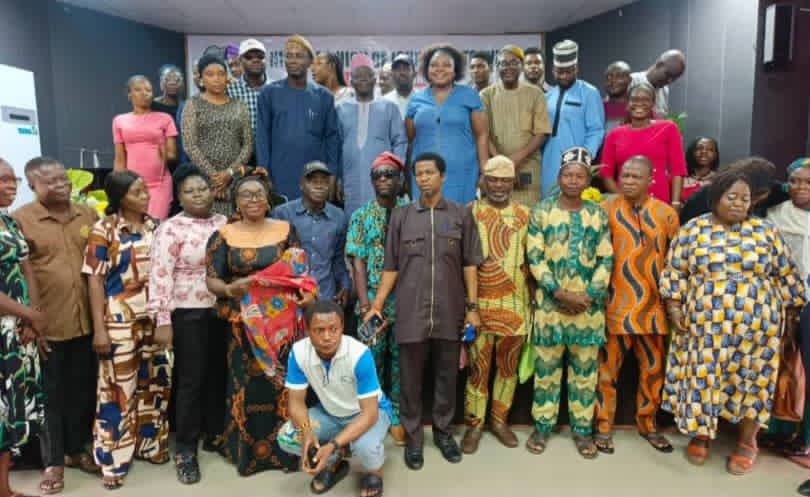
The Nigeria Union of Journalists (NUJ), Oyo State Council, on Monday, June 15, 2026, organised an intervention training for journalists, bloggers, media executives, communication practitioners, legal experts and security stakeholders on “Reporting in the Era of Insecurity and Fake News” at the Dapo Aderogba Hall, NUJ Press Centre, Iyaganku, Ibadan.
The Nigeria Union Of Journalists, Oyo State Council convened the training programme to address the growing challenge of fake news, misinformation, disinformation, and unethical media practices in Nigeria.
After extensive deliberations, presentations and interactive sessions, participants resolved as follows:
*Observations*
1. Fake news, misinformation and disinformation have become major threats to national security, social cohesion, democratic governance and public trust in the media.
2. The proliferation of social media platforms, online content creation, artificial intelligence tools and the increasing quest for speed in news dissemination have contributed significantly to the spread of unverified information.
3. Careless and sensational reporting of insecurity, terrorism, kidnapping, communal conflicts and other sensitive issues can inflame tensions, create panic and endanger lives.
4. Journalists face increasing pressure to publish stories rapidly, often at the expense of thorough verification and professional standards.
5. Participants condemned the unethical reportage of the kidnapping of pupils and teachers in Oriire Local Government Area, particularly the dissemination of unverified claims regarding the demands allegedly made by the abductors.
6. It noted that such unconfirmed reports have the potential to create unnecessary tension, heighten public anxiety, and exacerbate the security challenges facing the country.
7. Delayed responses from relevant authorities and security agencies frequently create information gaps that are exploited by purveyors of fake news.
8. Existing legal frameworks, including the Constitution, Freedom of Information Act, Cybercrime Act, Nigerian Press Council Act, National Broadcasting Code and defamation laws, impose obligations on journalists to ensure accuracy and responsibility in reporting.
*Resolutions*
1. Journalists and media practitioners should uphold the highest standards of professionalism, truthfulness, fairness, objectivity and accuracy in all reports.
2. Media organisations should strengthen fact-checking mechanisms and ensure that all information is adequately verified before publication or broadcast.
3. Journalists should prioritise accuracy over speed and resist pressures that could compromise professional credibility and ethical standards.
4. Media practitioners should adopt conflict-sensitive reporting approaches, avoid sensational headlines and respect the dignity, privacy and rights of victims of violence and insecurity.
5. Continuous professional development, training and media literacy programmes should be encouraged to equip journalists with the skills required to identify and combat fake news and misinformation.
6. Greater collaboration should be fostered between journalists, media organisations and security agencies to facilitate timely access to accurate information and improve public communication during crises.
7. Journalists should make responsible use of emerging technologies, including artificial intelligence, while remaining vigilant against their misuse in the creation and dissemination of false information.
8. The Cybercrime Act and other relevant laws should be applied in a manner that combats misinformation without undermining press freedom and legitimate journalistic practice.
9. Media organisations should actively counter misinformation by publishing verified and accurate reports promptly whenever false narratives emerge.
10. Strict enforcement of the Nigerian Broadcasting Code (NBC) and the Nigerian Press Council (NPC) Code of Ethics to deter the spread of fake news and misinformation, promote accountability, and uphold professionalism and integrity in media practice.
*Conclusion*
The stakeholders and participants reaffirmed the need for Media practitioners to be committed to ethical journalism, responsible reporting, accountability and the defence of truth in the public interest.
They also stressed the need to work collectively and adopt the ethical gate keeping process to curb fake news and misinformation, strengthen public trust in the media, and contribute to peace, security, and national development.
Discussants, therefore urged journalists and media organizations to adhere strictly to the principles of accuracy, verification, and responsible journalism in reporting sensitive security matters.
news
Osun NLC Directs Lg Workers to Shut Out Sacked APC ‘Yes/No’ Chairmen After Federal Court Ruling

The Nigeria Labour Congress (NLC), Osun State Council, has directed members of the National Union of Local Government Employees (NULGE) across the state to prevent the sacked APC “Yes/No” Local Government Chairmen and their political appointees from accessing council secretariats.
The directive followed the decision of the Federal High Court sitting in Osogbo, on Monday, June 15, 2026, which dismissed a motion seeking to stay its judgment filed by the affected chairmen. The court, according to the NLC, ruled that the former chairmen were not entitled to any tenure extension and awarded costs against them.
In a statement signed by the Chairperson, Nigeria Labour Congress, Osun State Council, Comrade (Dr.) Christopher Abimbola Arapasopo, the union said the court’s decision rendered the claims of the sacked chairmen to office “null, void, and of no legal consequence.”
The NLC instructed NULGE members in all the thirty(30) Local Government Areas, Local Council Development Areas, and Area Offices in Osun State to immediately lock the entrance gates of council secretariats against the affected chairmen, councillors, and their appointees.
The union also directed workers to secure vital administrative offices and council properties, while urging them to remain calm and continue their official duties without panic.
The statement further advised workers to report any attempt to forcefully gain access to the secretariats to the NLC leadership and relevant security agencies.
The directive, the union said, takes immediate effect and will remain in force pending further communication from the NLC Osun State Council.
-
news6 months ago
Arrive Early To Examination Centers, Comport Yourselves – Oyo HOS Admonishes Civil/Public Servants
-
news1 year ago
ANPP block in APC expresses deep concern over marginalisation to re-evaluate membership
-

 news1 year ago
Interrogating the connection between social service and charity
-
news12 months ago
LG Commission Chairman ‘Wolekanle’ Gets Oyo NULGE’s Support
-
 news1 year ago
Abdulrazaq Inspects Govt’s Multistorey Prototype School
-

 economics1 year ago
Subscribers lament as MultiChoice raises DStv subscription by 21%
-
 news1 year ago
Man arrested for beating girlfriend to death in Lagos
-
 economics1 year ago
NNPC Shipping, partners unveil joint venture to boost crude transport